Yes. We regularly lift slabs that were mudjacked years earlier and have settled again. The previous slurry material doesn't interfere with the polyurethane process, and the foam works around or through the older fill to reach the soil where the current voids are.
Polyurethane Foam Injection vs Mudjacking: Which Is Better for Concrete Lifting?
A Side-by-Side Look at the Two Methods That Lift Sunken Concrete
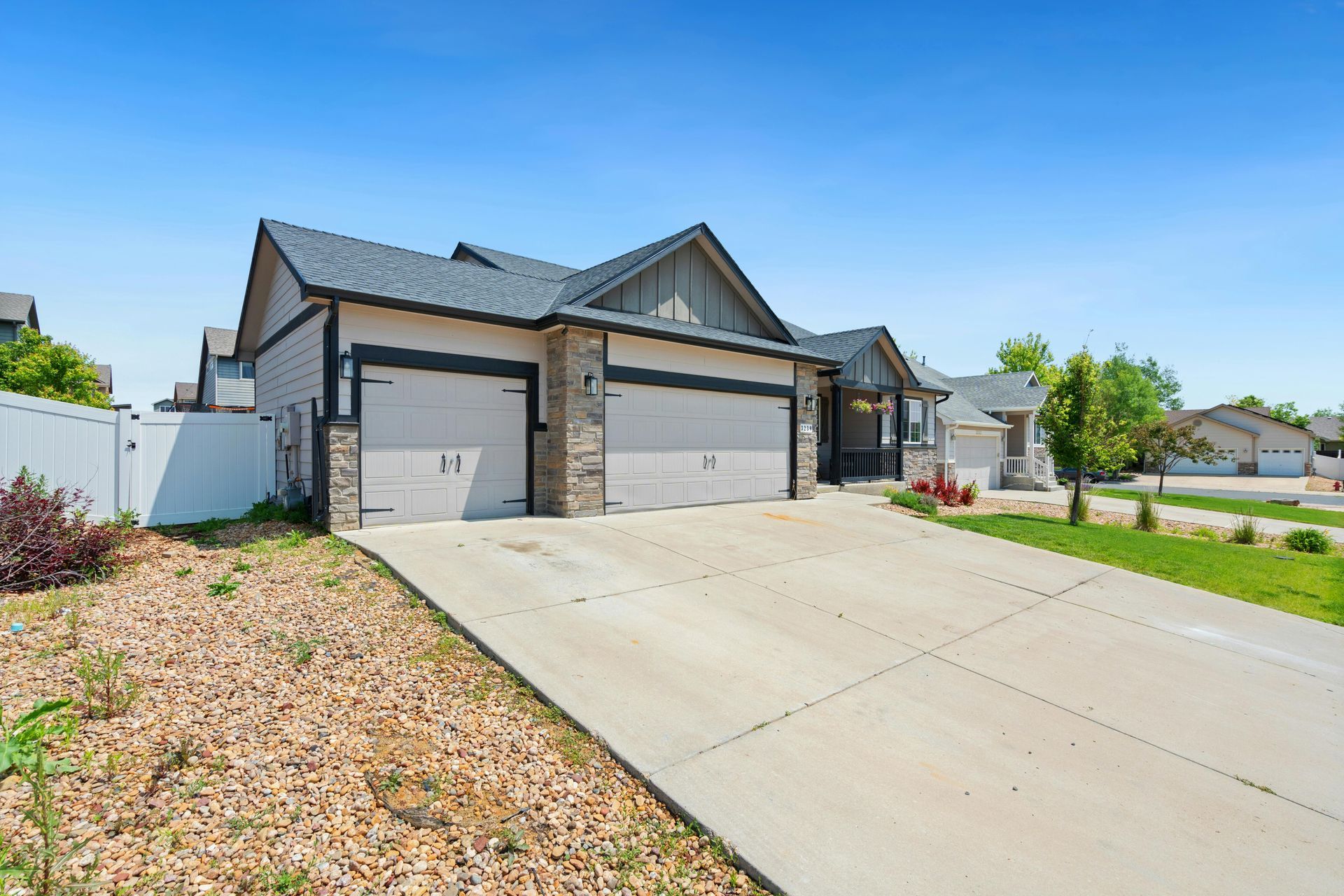

For decades, mudjacking was the only real option if you wanted to lift sunken concrete without tearing it out. That changed when polyurethane foam injection entered the residential and commercial market.
When homeowners and property managers call us about concrete lifting, the most common question after "what's wrong with my slab" is some version of "why not just mudjack it?" It's a fair question, and mudjacking still works on certain jobs. In most situations, though, the honest comparison of polyurethane foam injection vs mudjacking comes down to a handful of factors that consistently favor polyurethane, starting with how small the injection holes are, how fast the material cures, how heavy it is sitting on already compromised soil, and how long the result holds up through Northern Colorado freeze-thaw cycles.
This page walks through both methods side by side so you can make the call knowing all the facts. We have used polyurethane foam injection at Rapid Raise & Sprays since the company started in 2020, but the goal here is to help you understand what fits your concrete, not to push you toward a service we offer.
What Polyurethane Foam Injection Actually Is
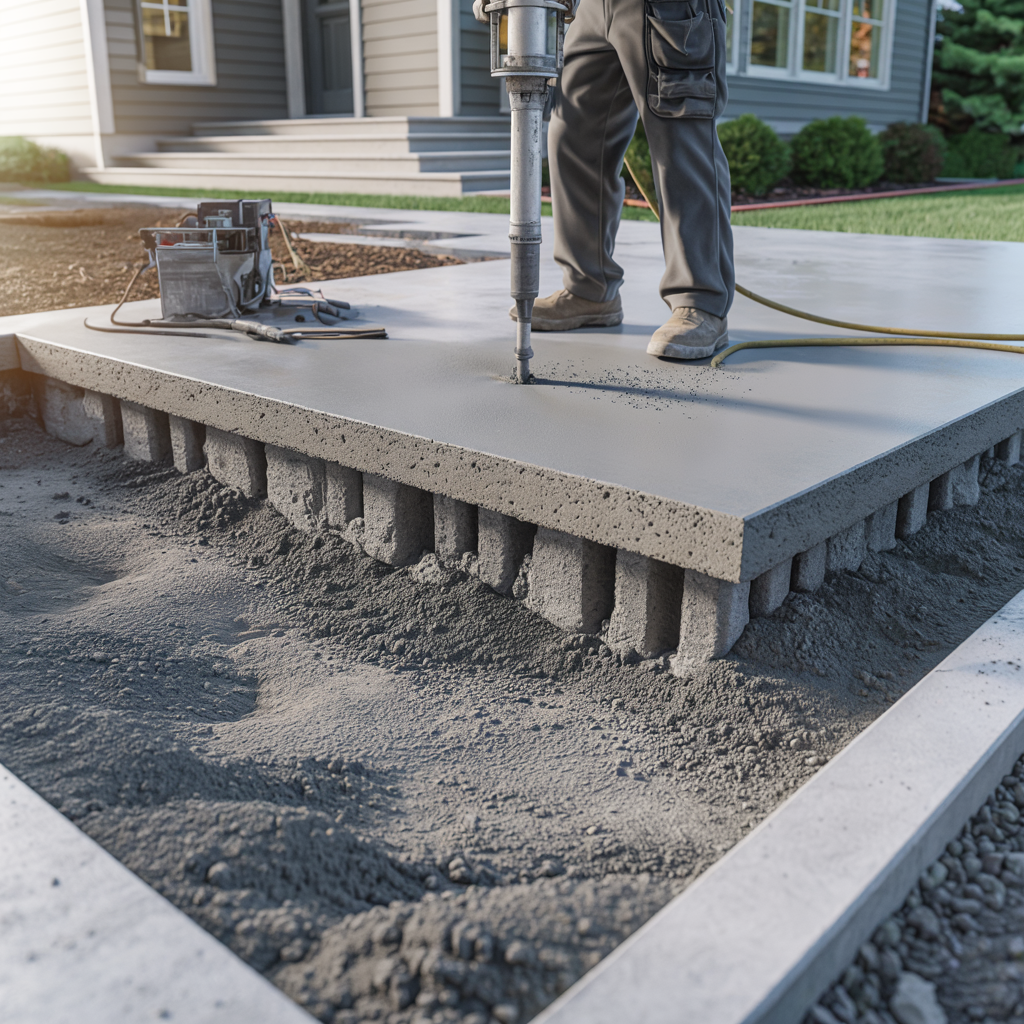
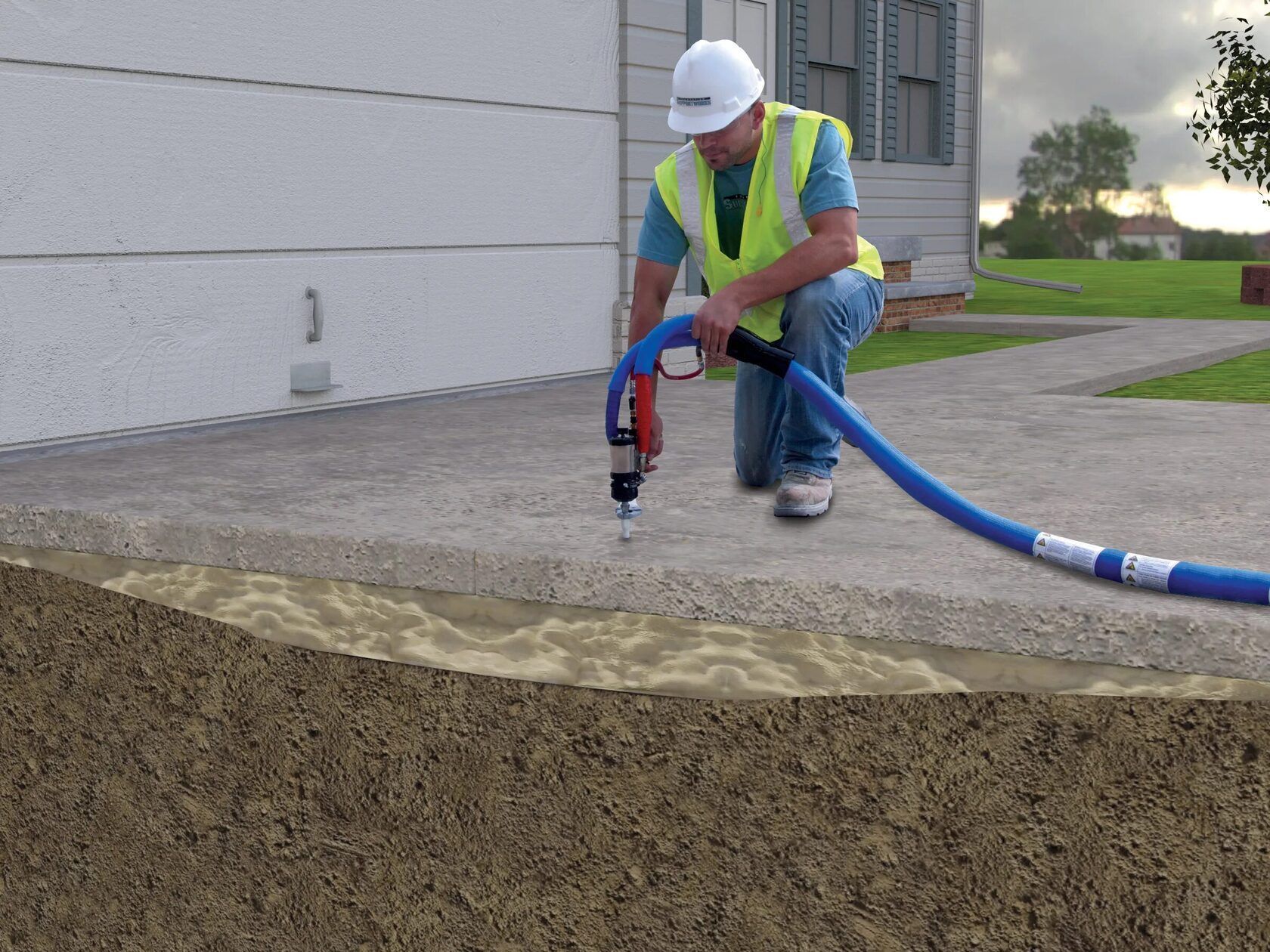
Polyurethane foam injection is a concrete repair method for lifting settled slabs without replacing them. A two-part polyurethane material is injected beneath the affected concrete, where it reacts on contact and expands into a dense, closed-cell poly foam. That foam fills voids in the soil and raises the slab back into position.
What Mudjacking Is and Where It Came From
Mudjacking has been around since the 1930s and was the standard traditional method for lifting uneven concrete through most of the twentieth century. It works by pumping a heavy slurry of cement, sand, water, and sometimes other fillers beneath a sunken slab, using the weight and pressure of the mudjacking material itself to push the concrete back into position.
The method works and has been used on many slabs over many years. The reasons it has been overtaken by polyurethane have less to do with whether it can lift a slab and more to do with the weight it adds to weak soil and the slurry it leaves under the concrete long after the job is done.
How the Two Methods Compare
The honest comparison between polyurethane foam injection vs mudjacking plays out across a few specific categories that affect how the work looks during the job and how well the result holds afterward. Here is how each method performs in the areas that property owners ask about most.
Hole Size and Slab Damage
Polyurethane foam injection uses small 5/8" injection points that disappear into the slab once they're patched. Mudjacking requires significantly larger holes, typically 1-5/8" to 2" across, to accommodate the volume of slurry being pumped under pressure. More holes drilled and bigger ones mean more visible patches and more entry points for water to work through later.
Weight on Already Weak Soil
This is the difference that drives most decisions once property owners understand it. The soil beneath a settled slab has already failed once, and the older method asks it to carry significant new weight. With mudjacking, slurry runs around 100 pounds per cubic foot, where polyurethane foam comes in near two. That load is the part of the older method that gives most contractors and property owners alike pause. The lighter the lift, the less the underlying soil is asked to carry.
Cure Time and Return to Use
Polyurethane foam cures in about fifteen minutes. Your driveway, sidewalk, garage floor, or patio is ready for normal use the same day, often within the hour. Mudjacking has a long drying time, with the slurry needing 24 to 72 hours before the surface can take normal traffic. For commercial properties, that downtime is the cost most operations cannot absorb.
Resistance to Water and Soil Movement
Polyurethane is closed-cell, hydrophobic, and inert. Water passing through the soil doesn't break it down, and seasonal moisture swings don't reactivate it. Mudjacking slurry can erode over time as groundwater moves through it, particularly in soil that drains slowly or holds water against the slab. In Colorado, where freeze-thaw cycles and clay soils put concrete under constant pressure, that erosion factor is one reason mudjacked slabs sometimes settle again within a few years.
Longevity of the Result
A properly executed polyurethane lift gives long-lasting results that can hold for decades, provided no major new soil event undermines the area. Mudjacked slabs can last for years too, but slurry erosion and the load on already-weak soil tend to bring settlement back sooner. We've talked to property owners who mudjacked once a decade ago and are now considering polyurethane because the same sections have dropped again.
Job Site Disruption
Polyurethane foam injection is minimally invasive. There's no heavy equipment, no demolition, and the job site is usually back to normal within a few hours. Mudjacking equipment is bulkier, the messy process of mixing and pumping slurry tracks across the property, and cleanup takes longer.
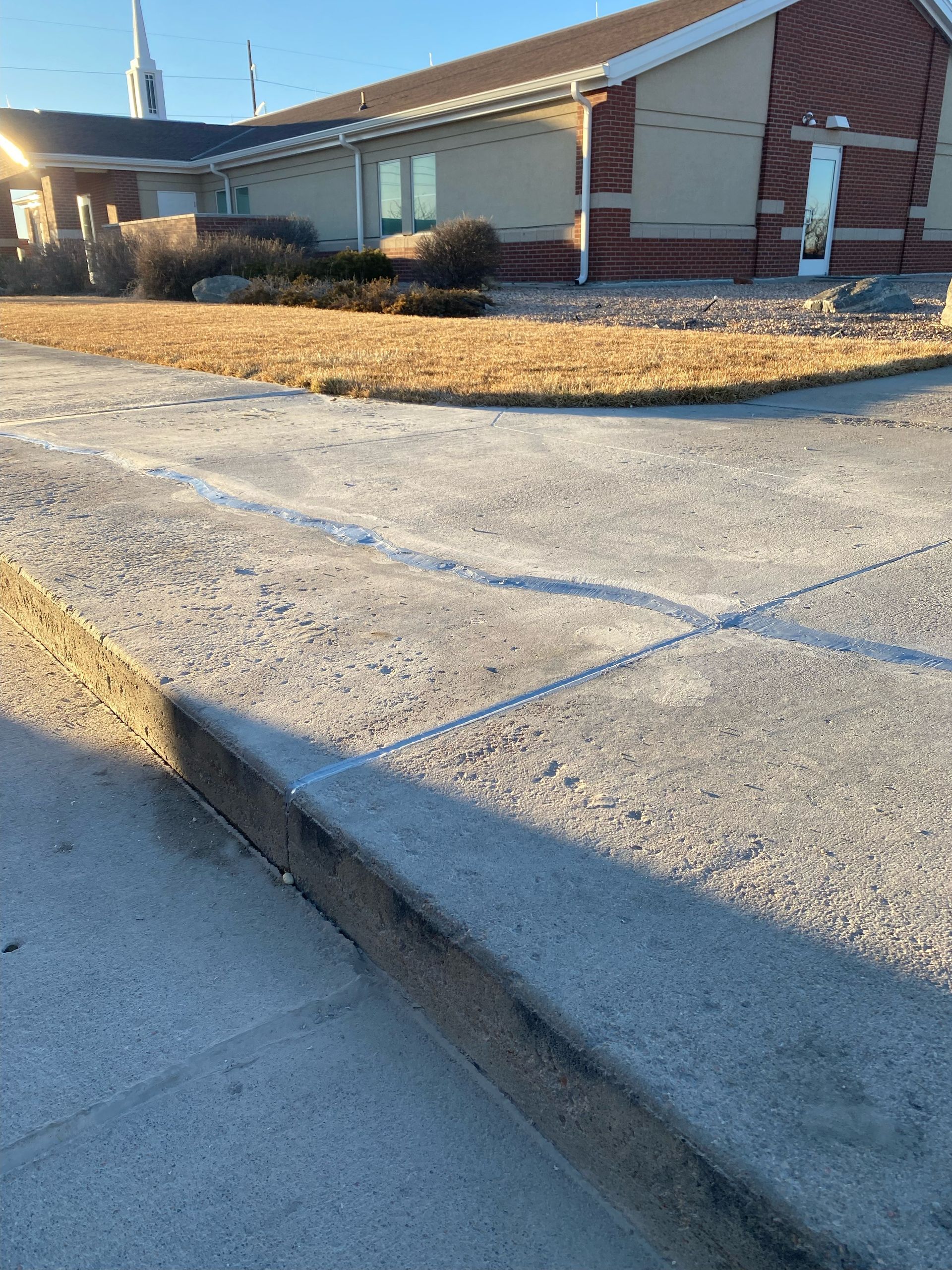
Uneven concrete at your commercial property isn't something you can put off. It's a safety risk for your tenants, customers, and employees, and it's a liability that sits on you as the property owner.
With commercial concrete leveling, we get your slabs back where they should be, and we do it around your schedule so your business keeps running. We use the same polyurethane foam injection method we use on residential properties, scaled to handle larger areas and heavier loads.
Whether you manage an apartment complex, a strip mall, a hotel, or an agricultural operation with grain silos and pivot pads, we've handled projects like yours before.
Commercial Concrete Leveling
Concrete Leveling
Button
Concrete Leveling
ButtonHow the Polyurethane Foam Injection Process Plays Out
A polyurethane concrete lifting job follows a clear progression from the first walkthrough to a fully cured surface. Here is what to expect when we lift a slab on your property.
Assessment and Quote we walk around the affected area, identify where the slab has dropped, and map where voids have likely formed beneath the surface. Carter is involved in customer communication on nearly every job, and our team handles on-site quality control during the work.
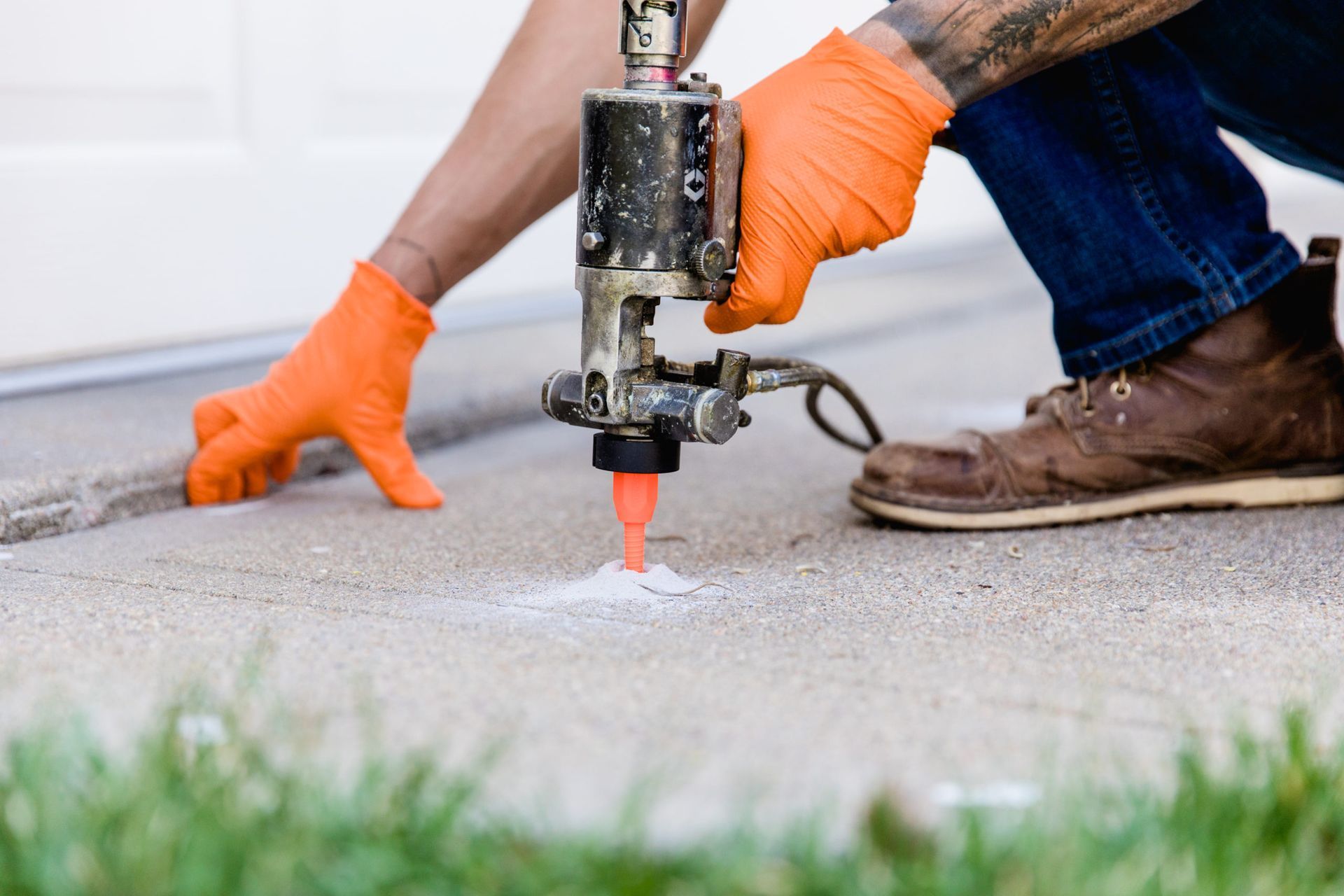
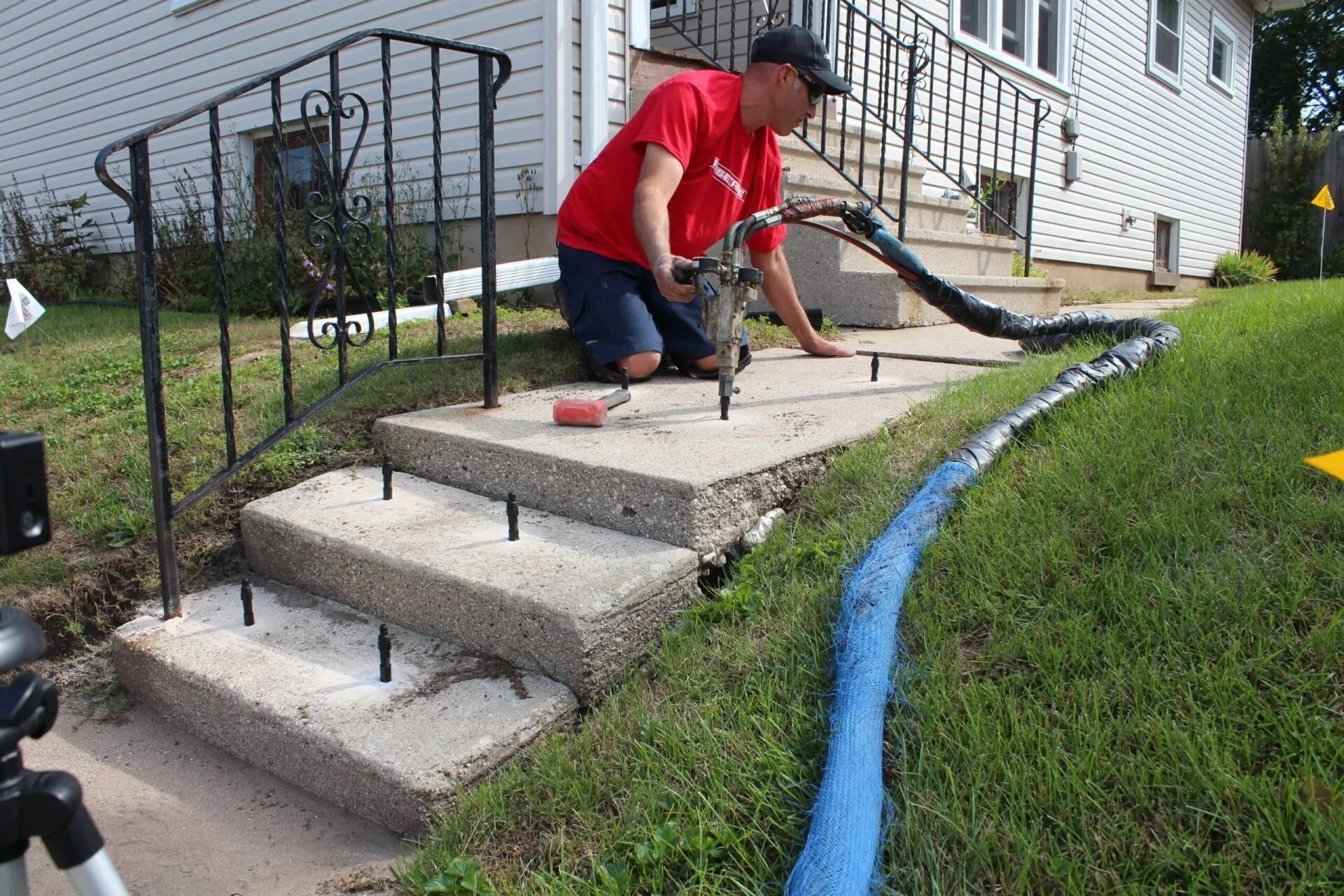
Drilling and Injection Port Placement drill holes go into the settled concrete surfaces, placed around where the lift needs to happen, rather than wherever is most convenient to drill. Removable injection ports seat into each hole, and the slab is ready for foam.
Controlled Foam Injection polyurethane foam is injected through the ports under managed pressure. The foam injection reaches all the voids beneath the slab and expands to fill them. Precise lifting is what separates a clean result from an approximate one, which is why the volume and injection rate are continuously managed as the slab rises, with our installer monitoring the surface above and adjusting in real time.
Patching and Cleanup each injection port is removed, and every hole is patched with matching concrete material. The work area gets cleaned up before our team leaves, and your concrete slab is back in your hands.
When Polyurethane Foam Injection Makes More Sense Than Full Replacement
Replacement is sometimes the right call. A slab that's badly cracked, crumbling, or heaved rather than sunken may not be a candidate for slab lifting, and we'll tell you that during the assessment. But for the much larger share of jobs where the concrete is structurally sound and has simply dropped because the soil beneath it shifted, replacement is doing far more work than the situation requires.
Polyurethane foam injection costs significantly less than full replacement on a per-area basis, and the difference grows as the large slabs in question get bigger. A new pour also resets the clock entirely. The slab needs to cure for days before it can support a load, the surrounding landscape is disturbed by demolition, and the underlying soil condition that caused the original problem remains, waiting for the new concrete.
Lifting the existing slab keeps the concrete you already paid for, gets your surface back in use the same day, and costs a fraction of what a fresh pour does. For most property owners comparing options, that math settles the question.
Other Concrete Services We Offer
Concrete lifting is the core of what we do, but properties with a single-slab problem often have related issues that warrant addressing during the same visit. Here is the full range of services we handle across Northern Colorado.
Concrete joints and cracks sealing and concrete repair for joint failure and water re-entry beneath leveled slabs.
Why Property Owners Choose
Rapid Raise & Sprays
Here is what working with us looks like and why homeowners and businesses across Northern Colorado keep calling us back:
Roughly 1,500 projects completed since 2020
We've used polyurethane foam injection on residential driveways, sidewalks, patios, garage floors, commercial parking lots, warehouse floors, and industrial pads across the same soil conditions Northern Colorado properties deal with.
Owner-operated with quality control on every job
Carter Williams runs the business and stays in direct contact with customers from the first call through completion. Our team handles on-site quality control during the work, and our installer carries deep field experience with this exact method.
Straight pricing and a clear scope
You'll get a written quote before any work starts, with the price tied to what the slab actually needs. If a section doesn't need lifting, you'll hear that during the assessment.
Insured, bonded, and professionally affiliated
We carry general liability insurance, are bonded, and are active members of the Spray Polyurethane Foam Alliance, the American Chemistry Council, and Spray Foam Worldwide.
Our Service Areas
Our Service Areas Across Northern Colorado
Rapid Raise & Sprays is based in Greeley and serves homeowners and businesses across the region.
From Our Blog
For deeper reading on concrete lifting methods, soil behavior, and the factors that drive settlement in Northern Colorado, our blog covers the topics that property owners ask about most.
Polyurethane Foam Injection vs Mudjacking FAQs
The cured foam is chemically stable, doesn't leach, and won't break down in contact with soil or groundwater over time. As members of the Spray Polyurethane Foam Alliance, we work with materials manufactured to industry standards for environmental safety.
A properly executed lift on a structurally sound slab can hold for decades. What can change the lifespan is what happens in the soil around your slab over time. If the surrounding ground continues to shift due to drainage problems, nearby new construction, or a major water event, it can affect any concrete fix, regardless of the method. We discuss those risk factors with you during the assessment.
We work year-round in Northern Colorado. Polyurethane foam cures the same way in cold weather as it does in summer, and the small drill holes mean there's no large opening exposing the slab to freeze damage during the job. Late spring through fall is the busiest stretch for us because that's when most homeowners notice settlement after winter, but if your slab needs attention in January, we can usually still get out and lift it.
Per square foot, polyurethane and mudjacking pricing can run close on smaller jobs, with polyurethane typically coming in slightly higher on the material side and lower on the labor and downtime side. Across the full picture, including how long each result holds, polyurethane is usually the more cost-effective choice over the life of the slab. We give you a clear written quote during the estimate.
Trusted Concrete Lifting Across
Northern Colorado
Roughly 1,500 Projects Completed
Serving Northern Colorado Since 2020
Fully Insured & Bonded
Owner-Operated, Not a Franchise
Member of
Spray Polyurethane Foam Alliance
Member of the
American Chemistry Council

Member of
Spray Foam World Wide
Uneven concrete at your commercial property isn't something you can put off. It's a safety risk for your tenants, customers, and employees, and it's a liability that sits on you as the property owner.
With commercial concrete leveling, we get your slabs back where they should be, and we do it around your schedule so your business keeps running. We use the same polyurethane foam injection method we use on residential properties, scaled to handle larger areas and heavier loads.
Whether you manage an apartment complex, a strip mall, a hotel, or an agricultural operation with grain silos and pivot pads, we've handled projects like yours before.
Commercial Concrete Leveling
Concrete Leveling
Button
Concrete Leveling
ButtonReady to Talk Through Your Concrete?
If you've been comparing mudjacking, polyurethane foam injection, and replacement quotes and want to talk through which one actually fits your slab, give us a call or fill out our contact form. We'll come out, take a look, and walk you through what we see.