The price depends on the size of the affected area, the number of slabs involved, and how far things have settled. For most commercial properties, leveling comes in well below the cost of replacement for the same area, and the job is done in hours rather than days. Call us or fill out our form for a free, no-obligation estimate.
Commercial Concrete Leveling & Lifting Services in Colorado
A Replacement Quote for Concrete Surfaces Is Not Your Only Option
Most commercial property owners who call us have already been through the replacement conversation. They've seen a number that didn't make sense for the scope of the problem, or they've been told the only fix involves weeks of downtime and heavy equipment tearing through their property. That's not always the case.
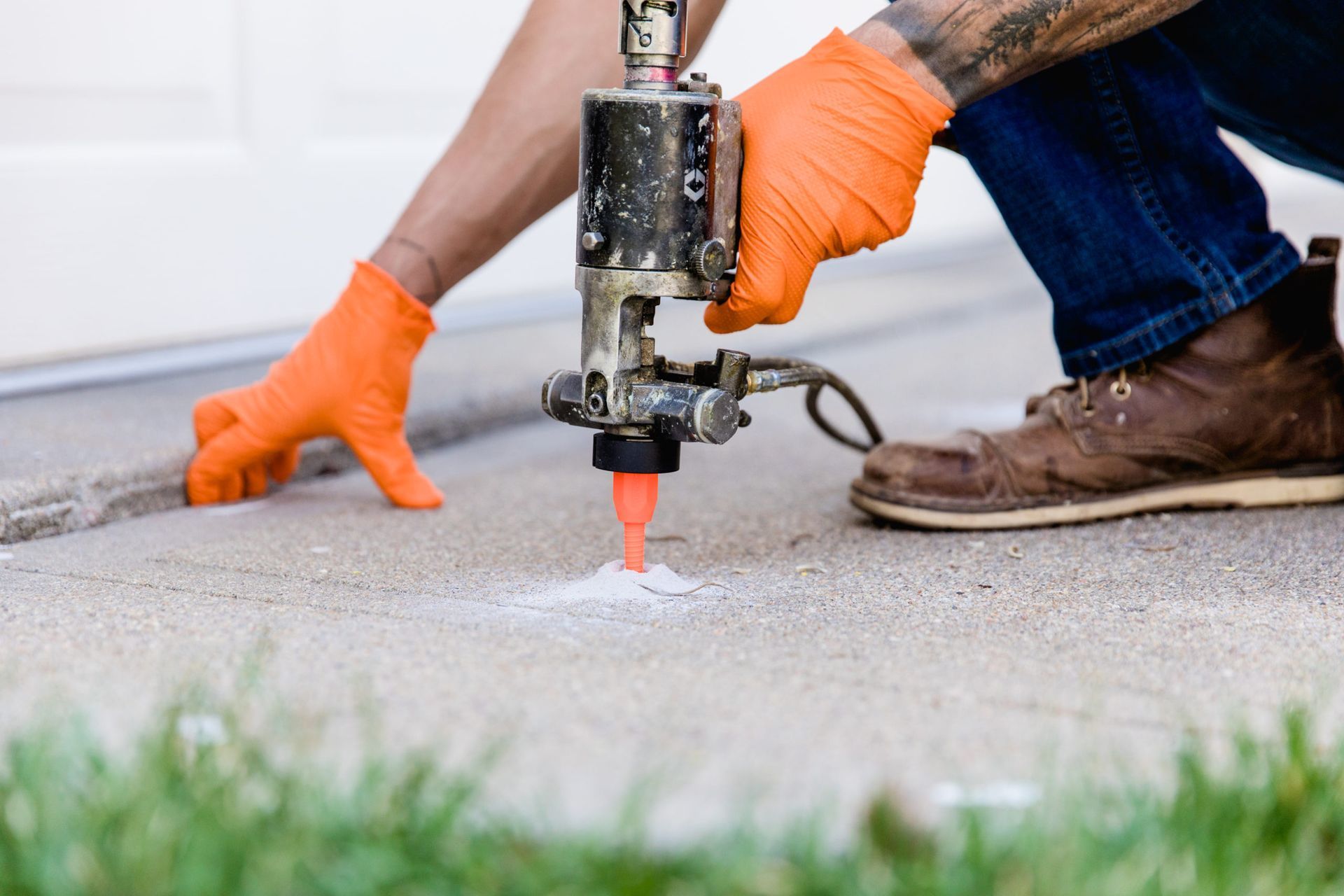
Commercial concrete leveling is the process of lifting settled or sunken concrete slabs back to their original position by injecting expanding polyurethane foam into the voids that have formed beneath them. It restores a level, stable surface using your existing concrete rather than tearing it out and starting over.
Rapid Raise & Sprays provides this service across Colorado, and Carter Williams talks directly with every customer from the first call through completion. We've completed projects since 2020, and our team handles on-site quality control on every job.
What's Actually Happening Beneath Your Commercial Slab
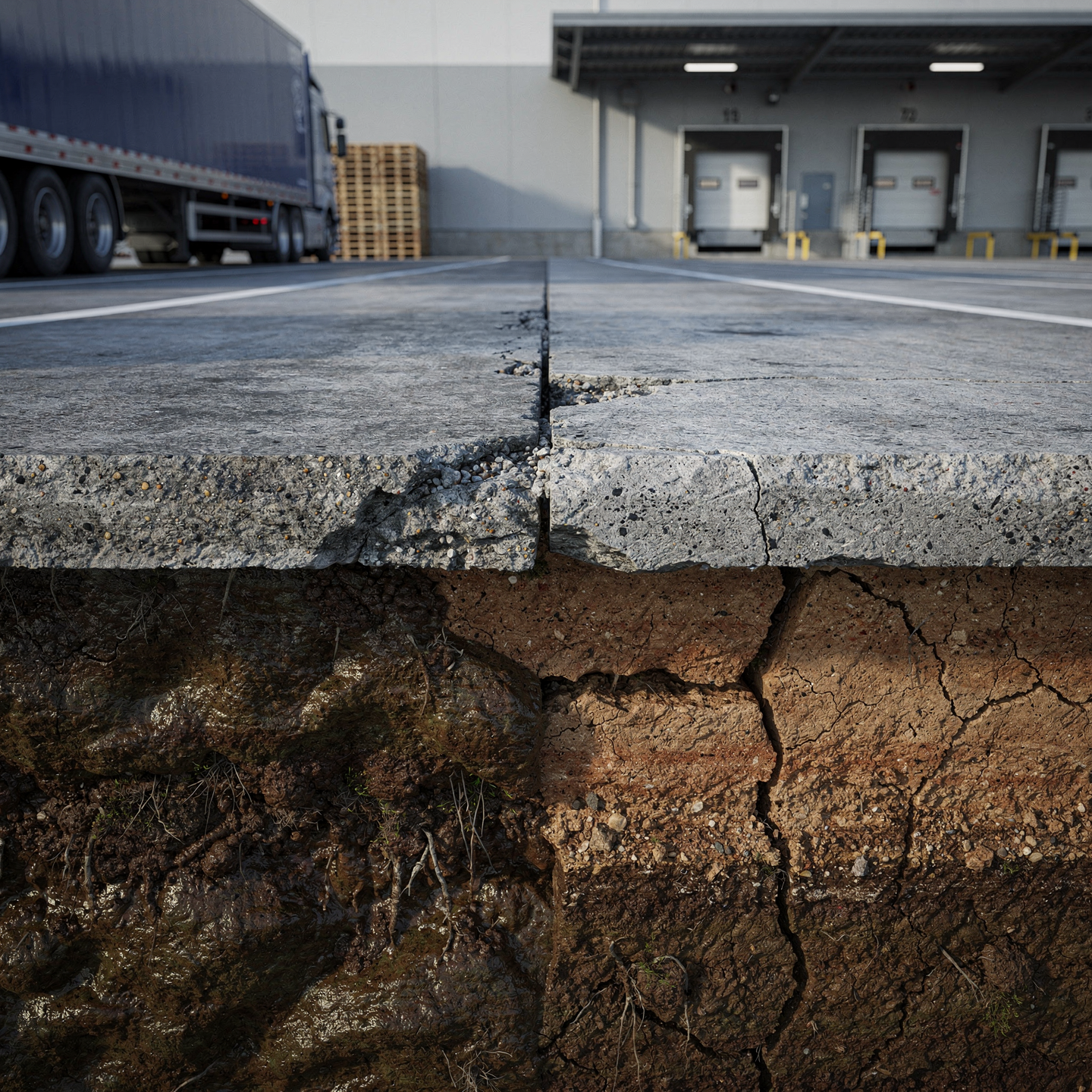
Settled commercial concrete isn't a surface problem. The surface is just where you first notice it. Beneath your parking lot, warehouse floor, or loading dock approach, the soil is constantly moving. Colorado's expansive clay swells with moisture and contracts as it dries, and it does that every season without stopping. Commercial concrete slabs accelerate the process.
Heavy vehicles, forklifts, and equipment loads compress weak or disturbed soil far faster than residential traffic does. As that soil shifts and loses density, voids open up beneath concrete structures across your property. The slab above drops into them, creating uneven surfaces that worsen with every passing season.
Water makes it worse. Poor drainage around commercial properties channels moisture toward slab edges and joints, softening the soil underneath and widening those voids year after year. Polyurethane concrete lifting addresses this at the source by filling those voids with expanding foam and raising the slab back into position. That's a different outcome than patching the surface or waiting to see how far things go.
Polyurethane foam is particularly well-suited to commercial applications because it cures in minutes rather than days, adds negligible weight to already compromised soil, and can be injected with precision under specific load-bearing areas without disrupting the surrounding slab. Traditional concrete repair methods, such as full replacement, require demolition, extended surface closures, and a curing window that most commercial operations can't accommodate.
Our Commercial Concrete Services Across Colorado
Commercial concrete problems vary by surface and by what that surface is expected to carry. A parking lot and a warehouse floor fail for different reasons, and the approach to fixing them reflects that.
Parking Lot Leveling
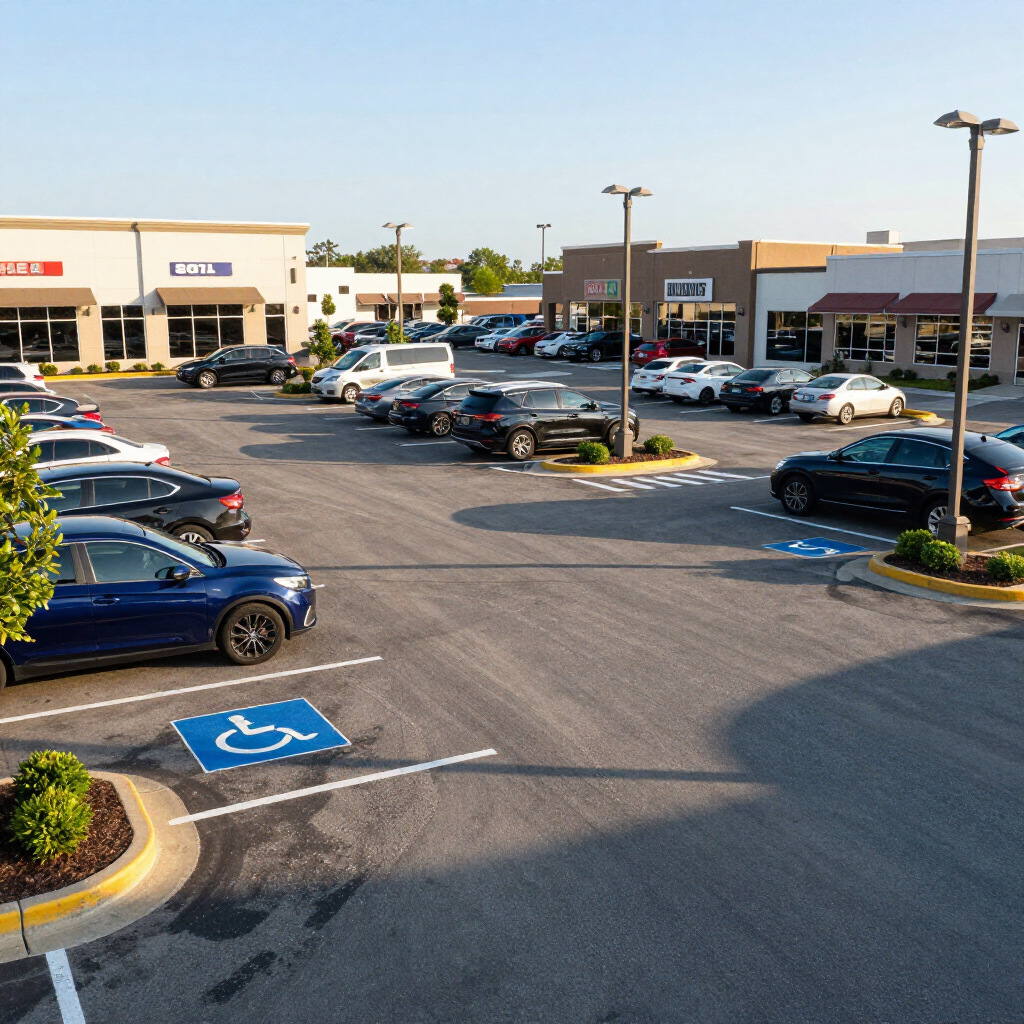
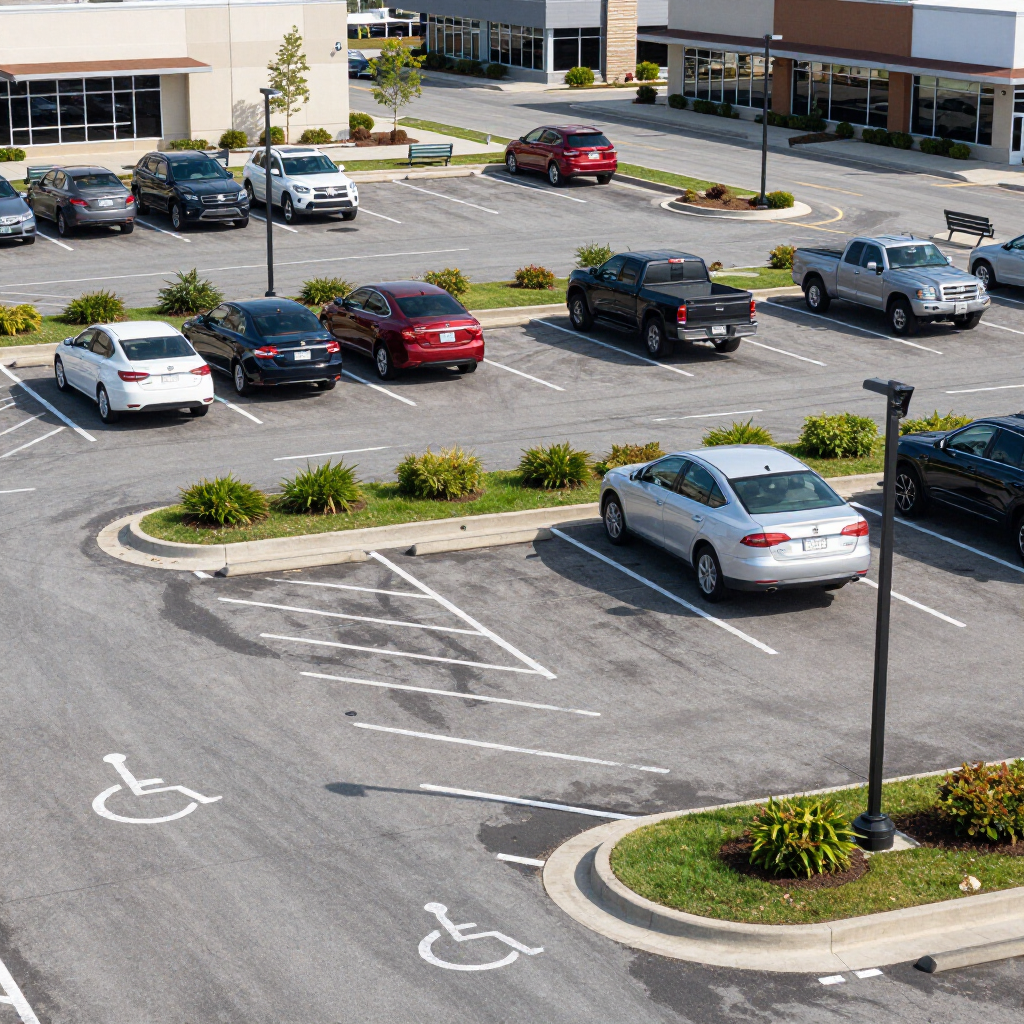
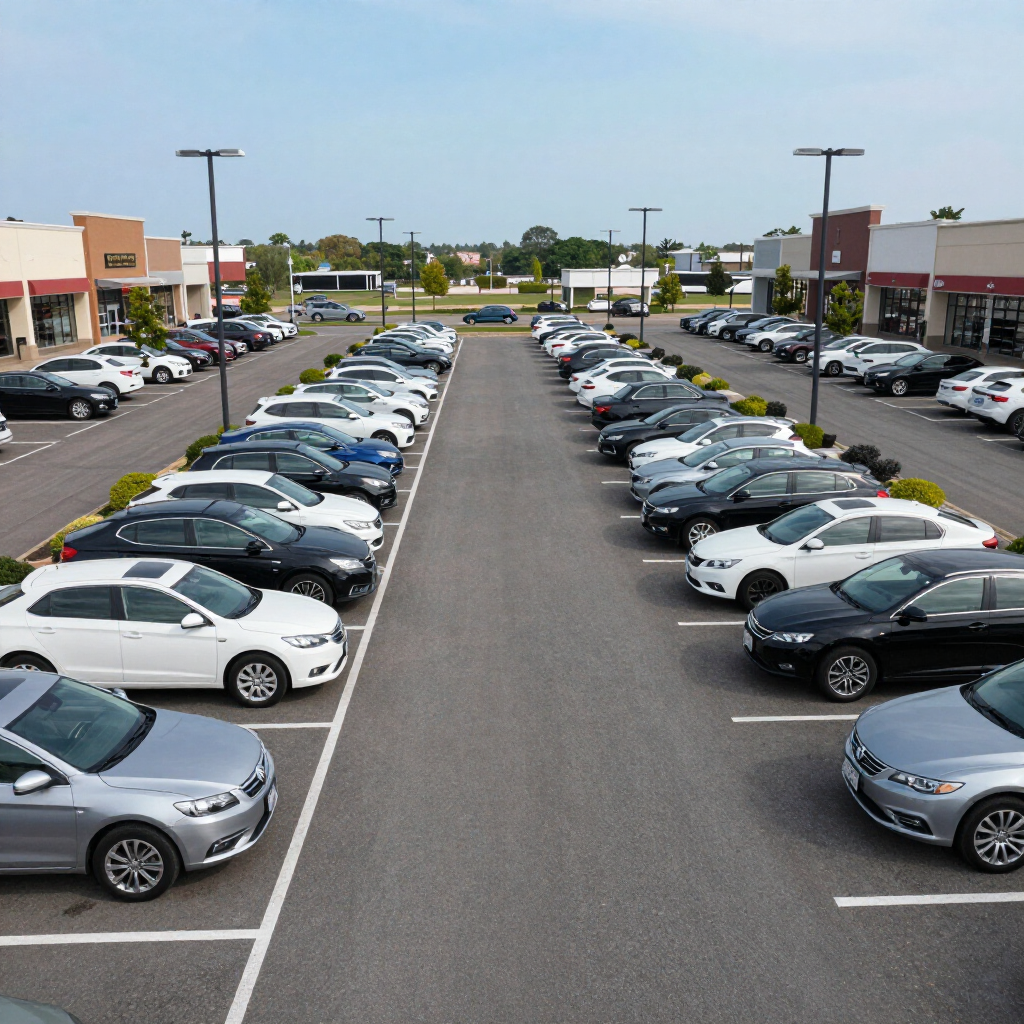
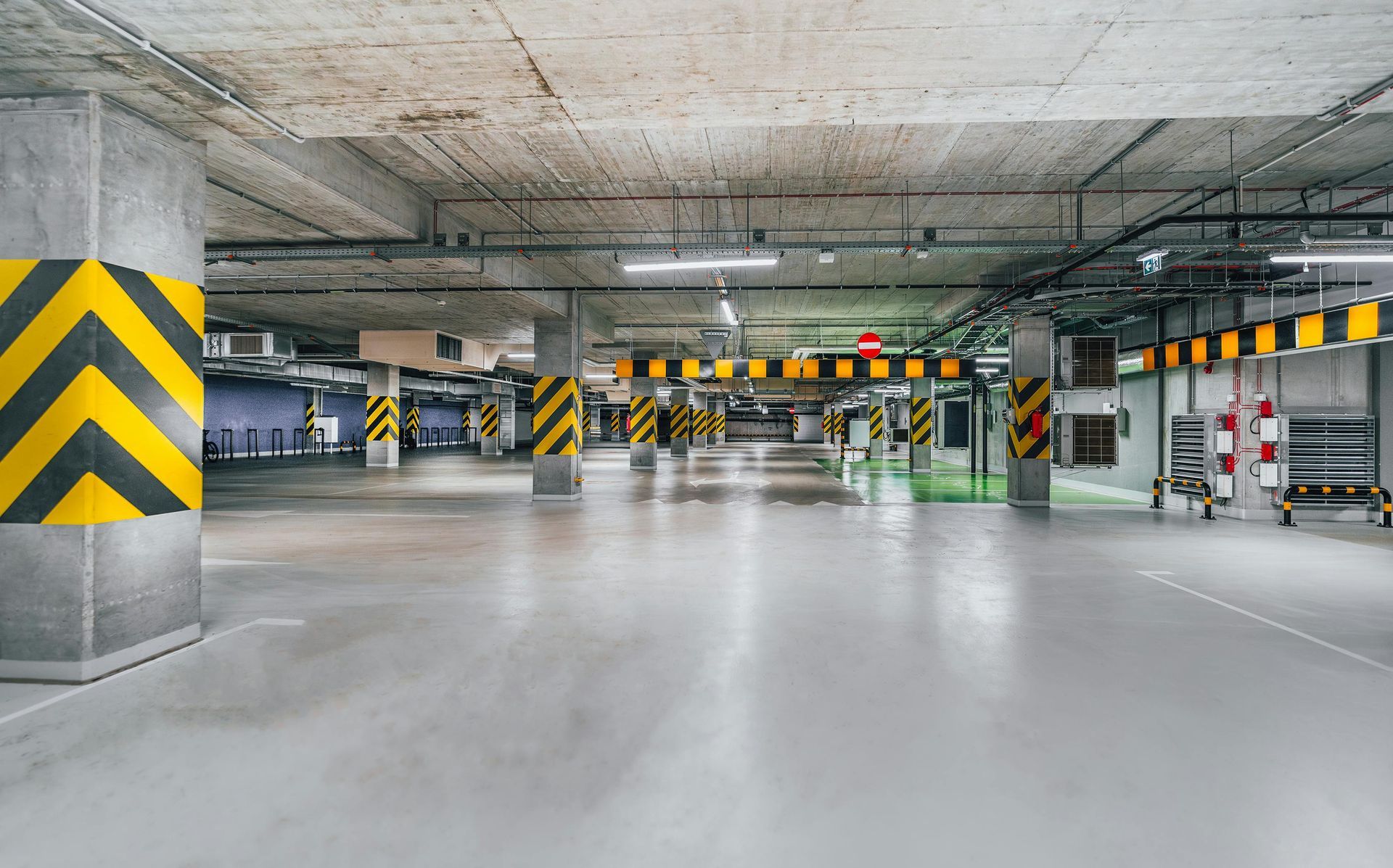
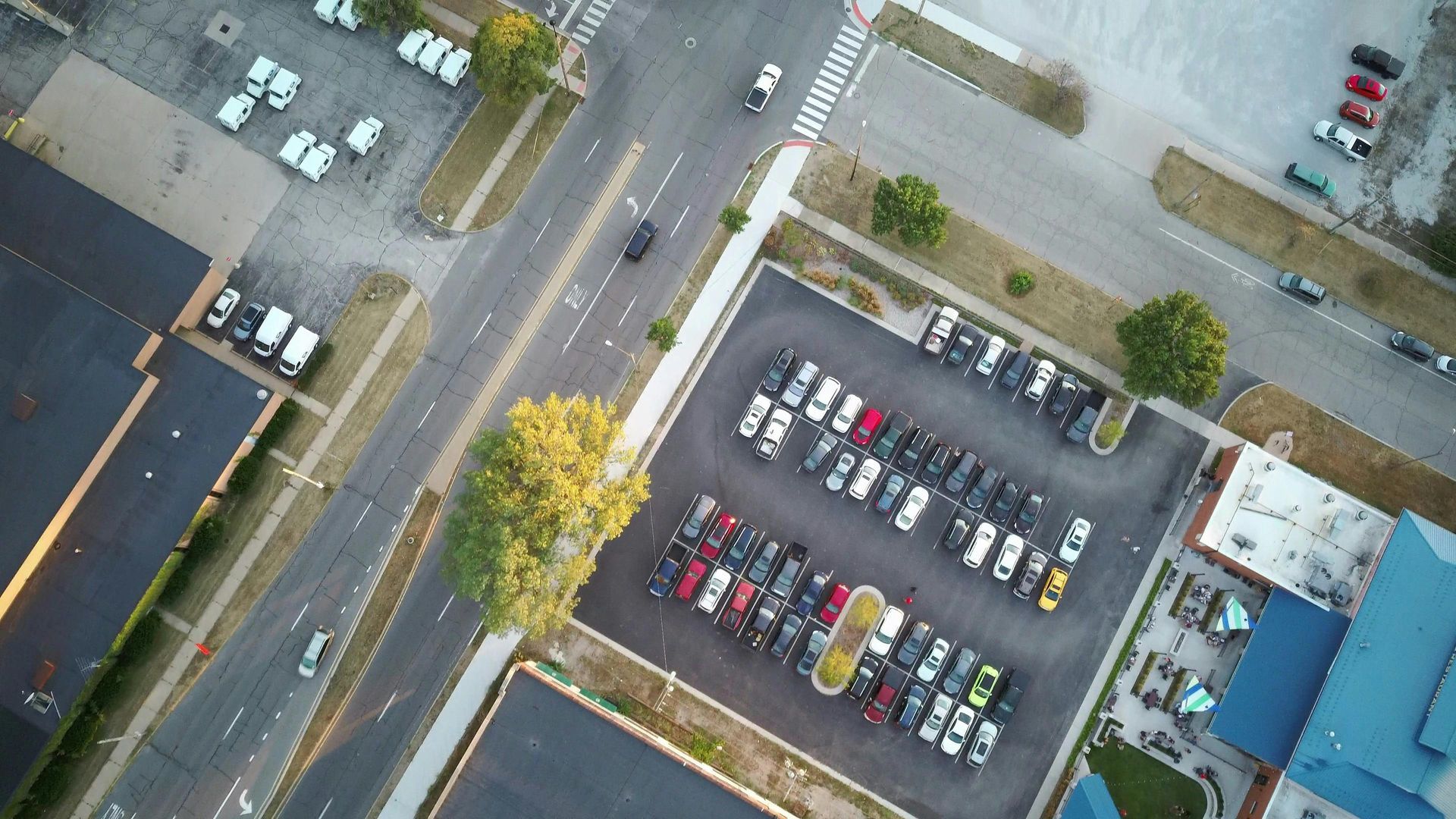
A parking lot is one of the first things a customer, tenant, or visitor interacts with on your property. When sections have settled unevenly, the surface tells a story you probably don't want it telling. Beyond appearances, settled sections redirect drainage, concentrate moisture in the wrong spots, and put stress on adjacent panels that were sitting fine before.
What most commercial property owners don't realize is that a settled parking lot section rarely stays settled on its own. The voids beneath the slab continue to grow as water moves through them and soil shifts under load. Every vehicle that crosses a sunken panel compresses the weakened soil further. The longer it sits, the more panels get pulled into the problem.
Polyurethane foam injection reaches the soil beneath the slab through small 5/8" holes, fills the voids that opened up as that soil shifted, and brings the concrete back flush with the surrounding surface. The underlying cause of the movement gets dealt with rather than deferred.
The work is done without heavy equipment staging, without closing off large sections of your lot, and without the extended surface closure that full replacement requires. Most parking lot leveling jobs are completed in a single visit.
Carter stays directly involved from the beginning of your project, helping handle quotes and customer communication before work begins. Our Colorado-based team confirms where settlement has occurred and where voids have formed, and our experienced installer carries out the work using this exact method, ensuring you receive a straightforward price before anything gets injected.
For commercial properties with active tenant traffic, the ability to schedule around operations and return a surface to use the same day it's worked on is not a small thing. That's the standard we hold ourselves to on every parking lot job we take.
Warehouse Floor Leveling
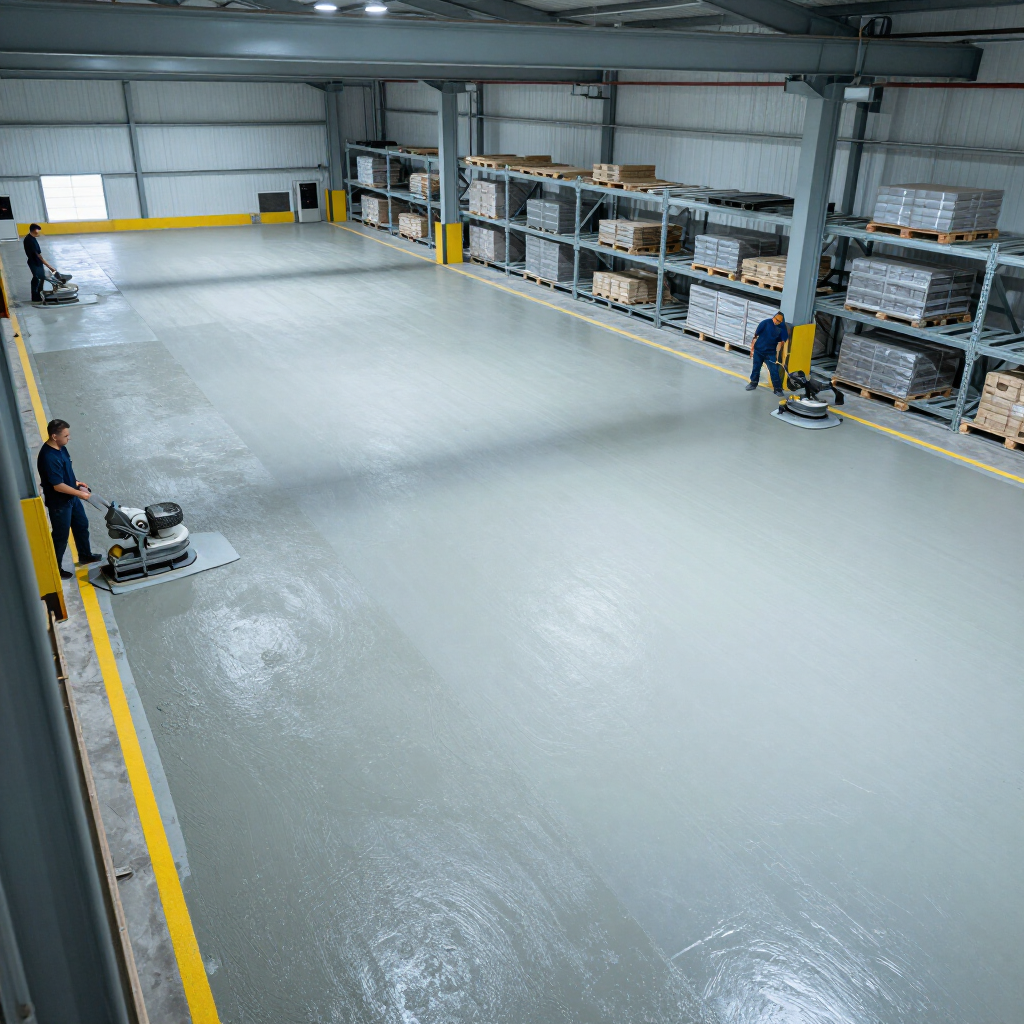
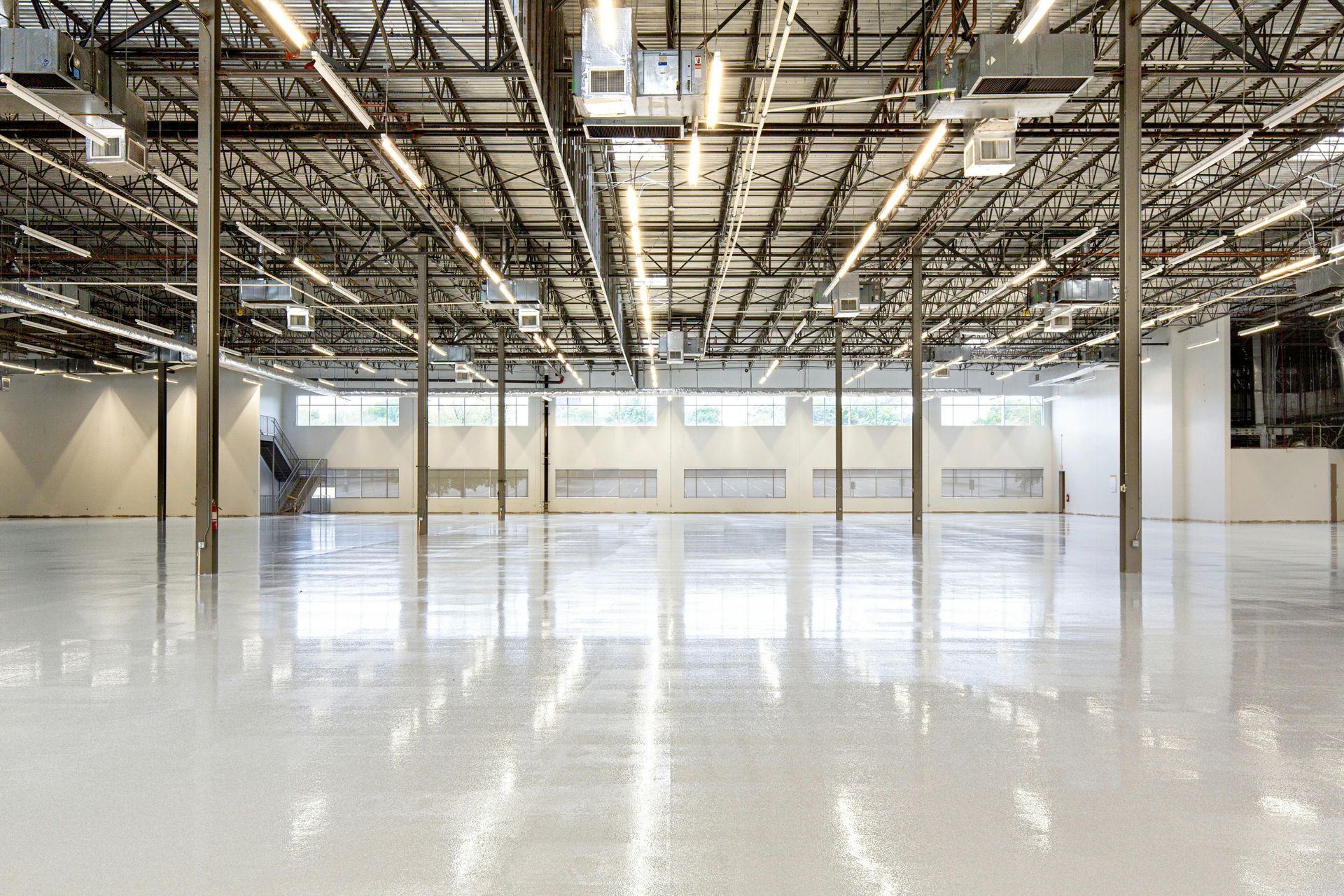
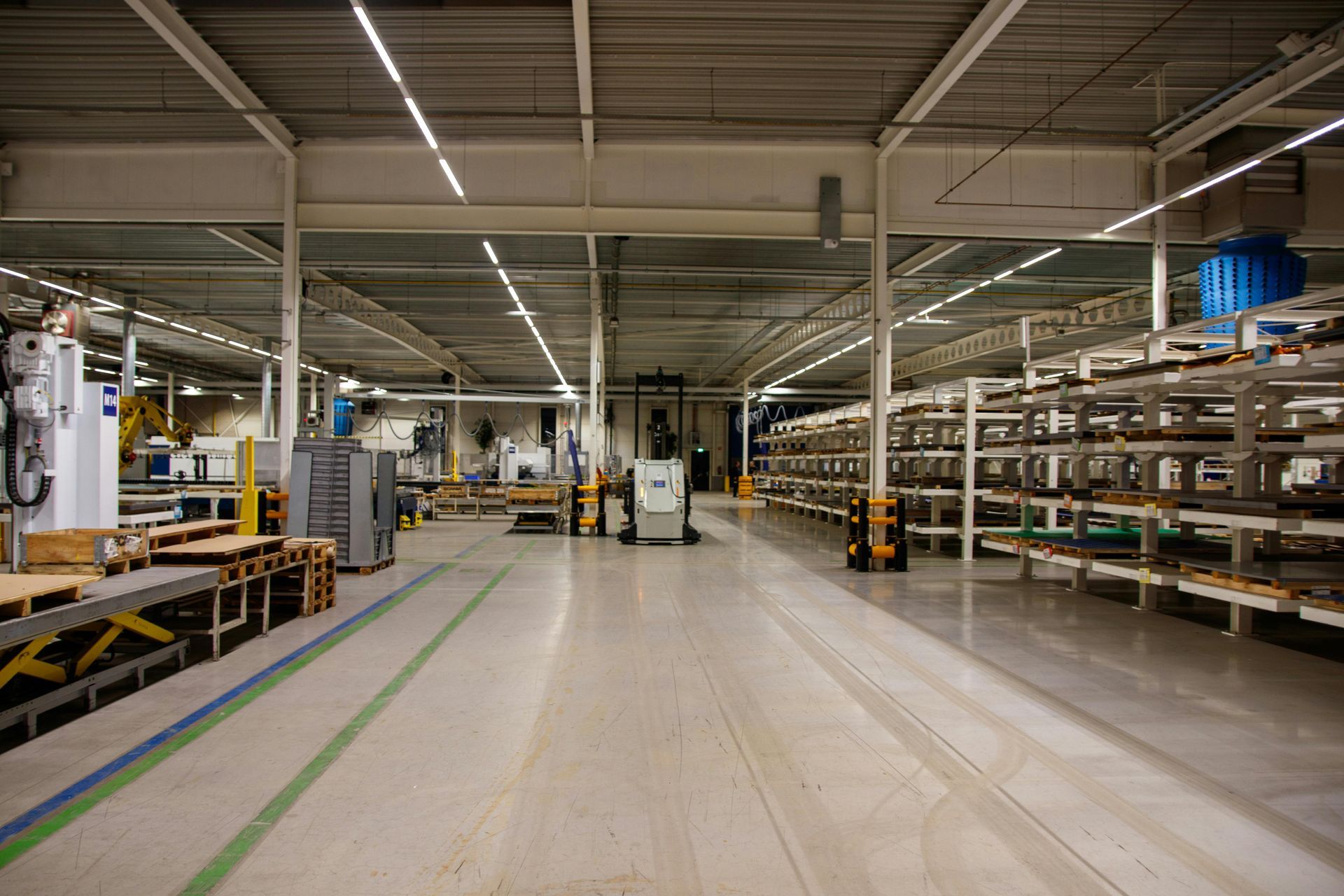
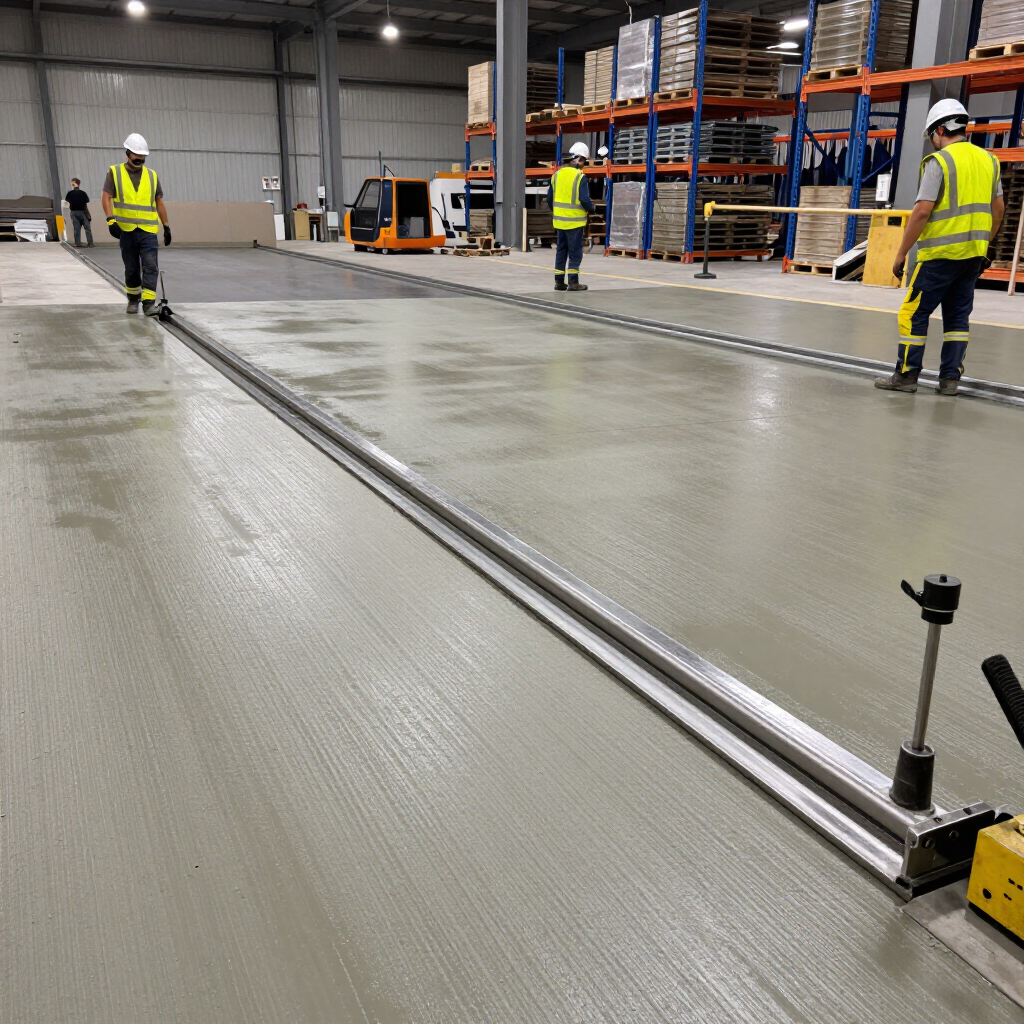
Warehouse floors have to perform under conditions that expose every flaw fast. A section that's dropped even modestly throws off racking alignment, creates rough transitions for forklift tires, and accelerates wear on both the floor and the equipment running across it every shift.
The concrete itself is rarely the problem. It's a symptom of what's happening in the soil below. Heavy stationary loads, constant forklift traffic, and inadequate sub-base compaction all create conditions where soil displaces and voids open beneath the slab. The slab above follows gravity.
When we assess a warehouse floor, we're looking at the full picture: where the drop occurred, how far it extends, what's driving it, and whether adjacent sections are showing early signs of the same movement. That assessment shapes how we approach the lift. Polyurethane foam is injected beneath the affected panels with precision. The foam fills the voids, lifts the slab back toward its original elevation, and cures in minutes rather than days.
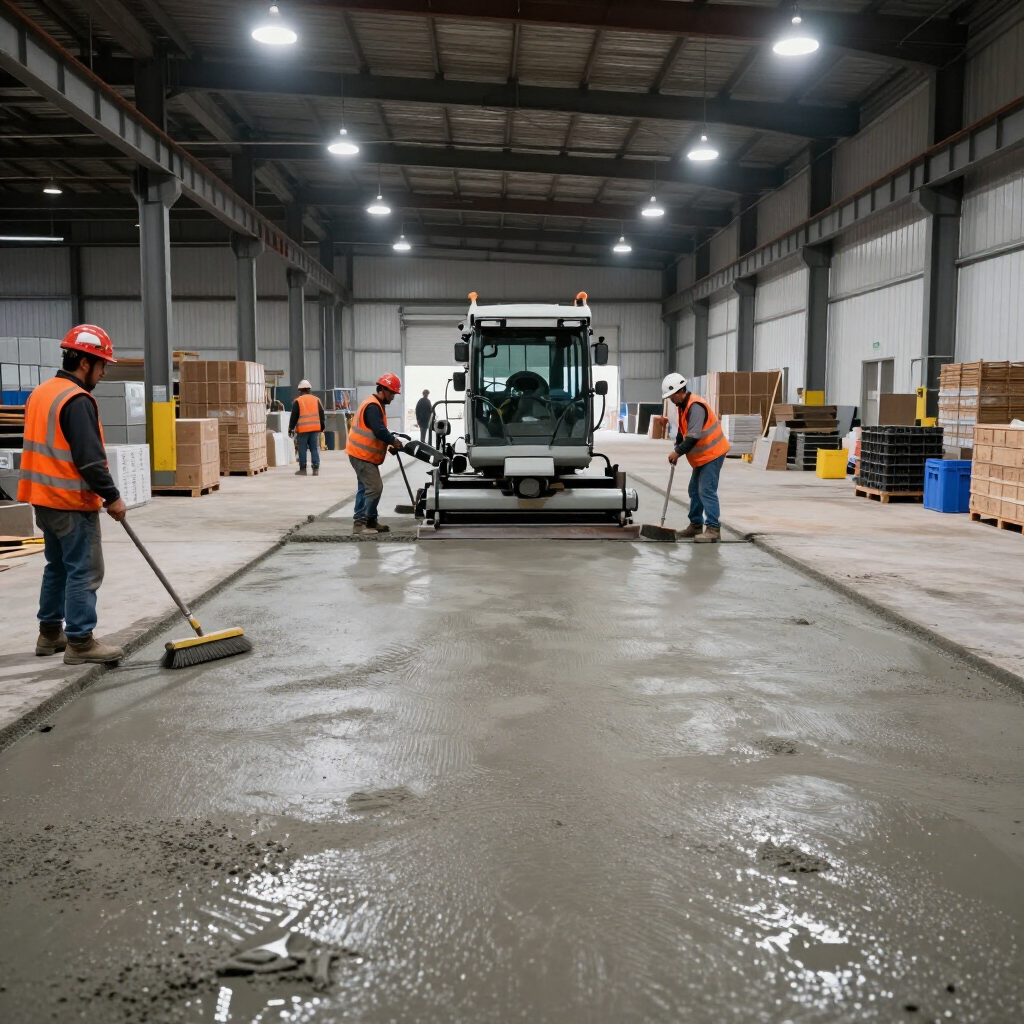
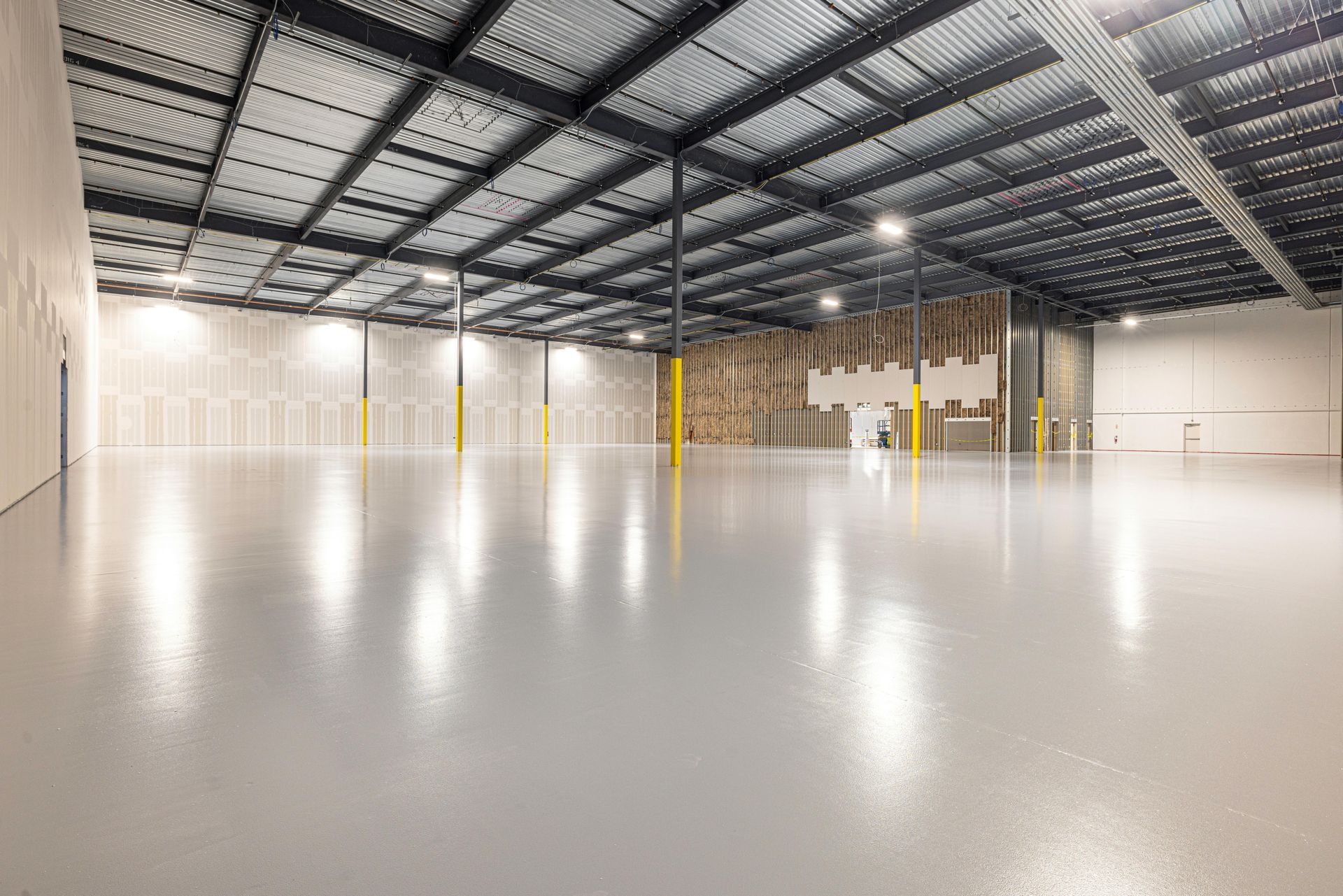
We work around your operations. That means scheduling during off-hours if necessary, working in sections that keep the rest of your floor functional, and clearing the area before your team needs it back. There's no heavy equipment on your floor, no demolition, and no extended surface closure. The foam cures in approximately 15 minutes, and the surface is ready for forklift traffic shortly after.
Carter is involved in every warehouse job from the initial customer communication through project completion. He stays involved throughout the process, helping handle quotes and customer communication while our Colorado-based team manages on-site quality control and our experienced installer carries out the work. That's what owner-operated means in practice.
Ready to Fix Your Concrete?
You've been stepping over that uneven slab long enough. Give us a call at (970) 616-0730 or fill out our form to get a free estimate. We'll come take a look, tell you what we think, and give you a fair price. With our commercial and residential polyurethane concrete lifting services, you can trust the job will be done right the first time around.
Commercial Sidewalk Repair
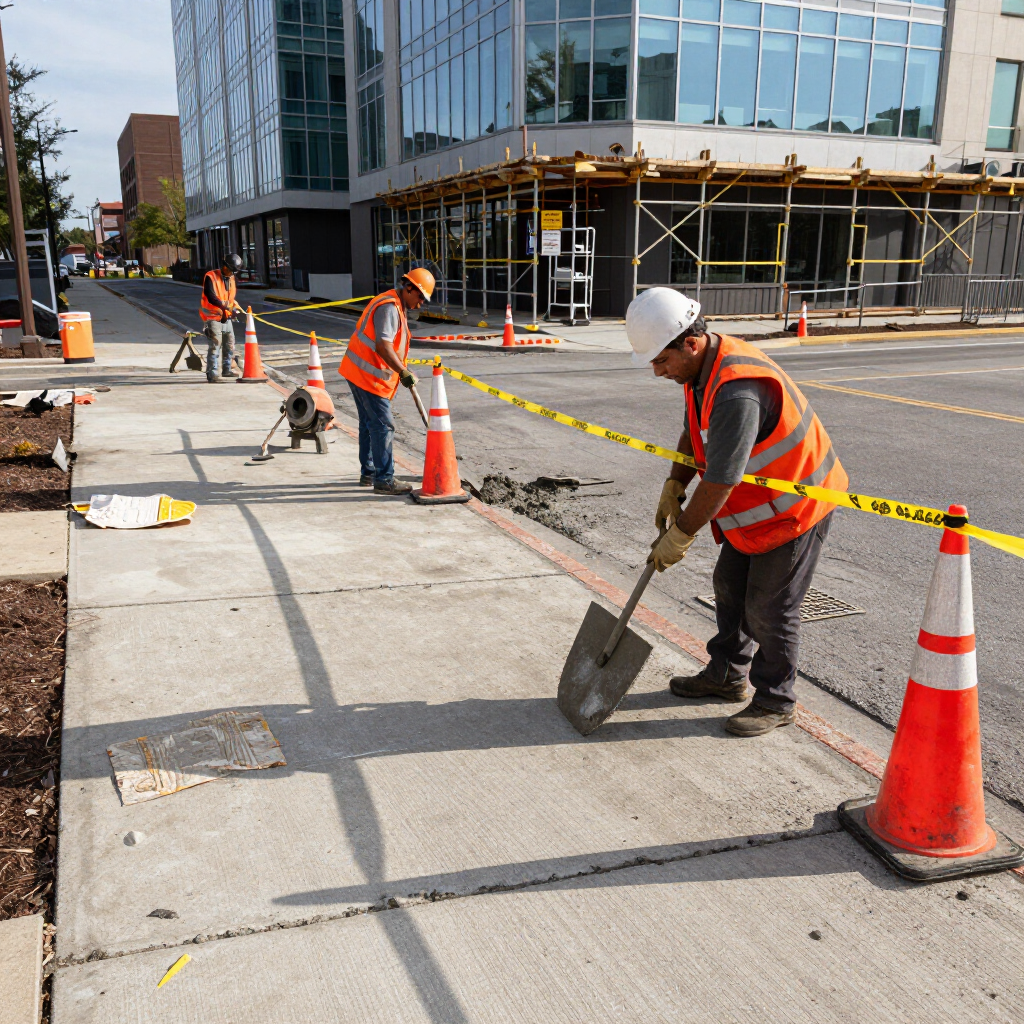
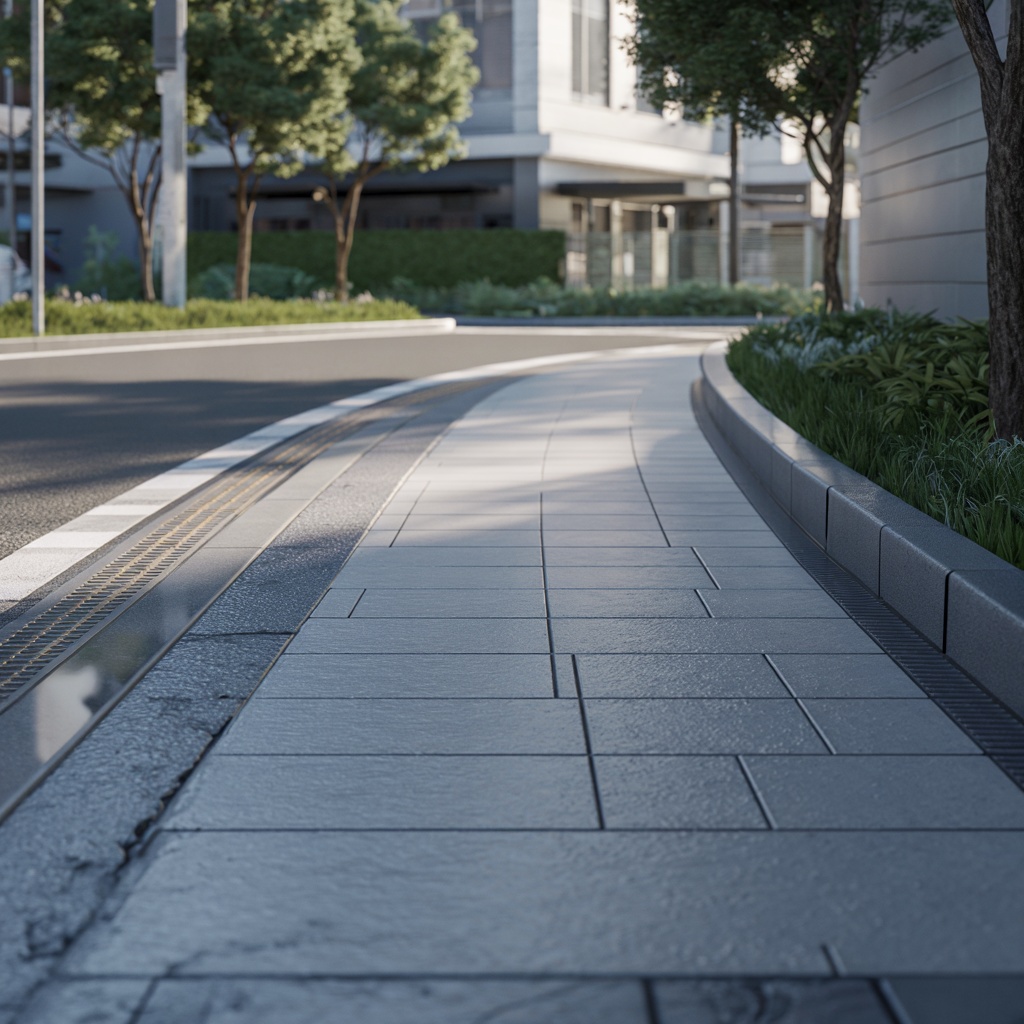
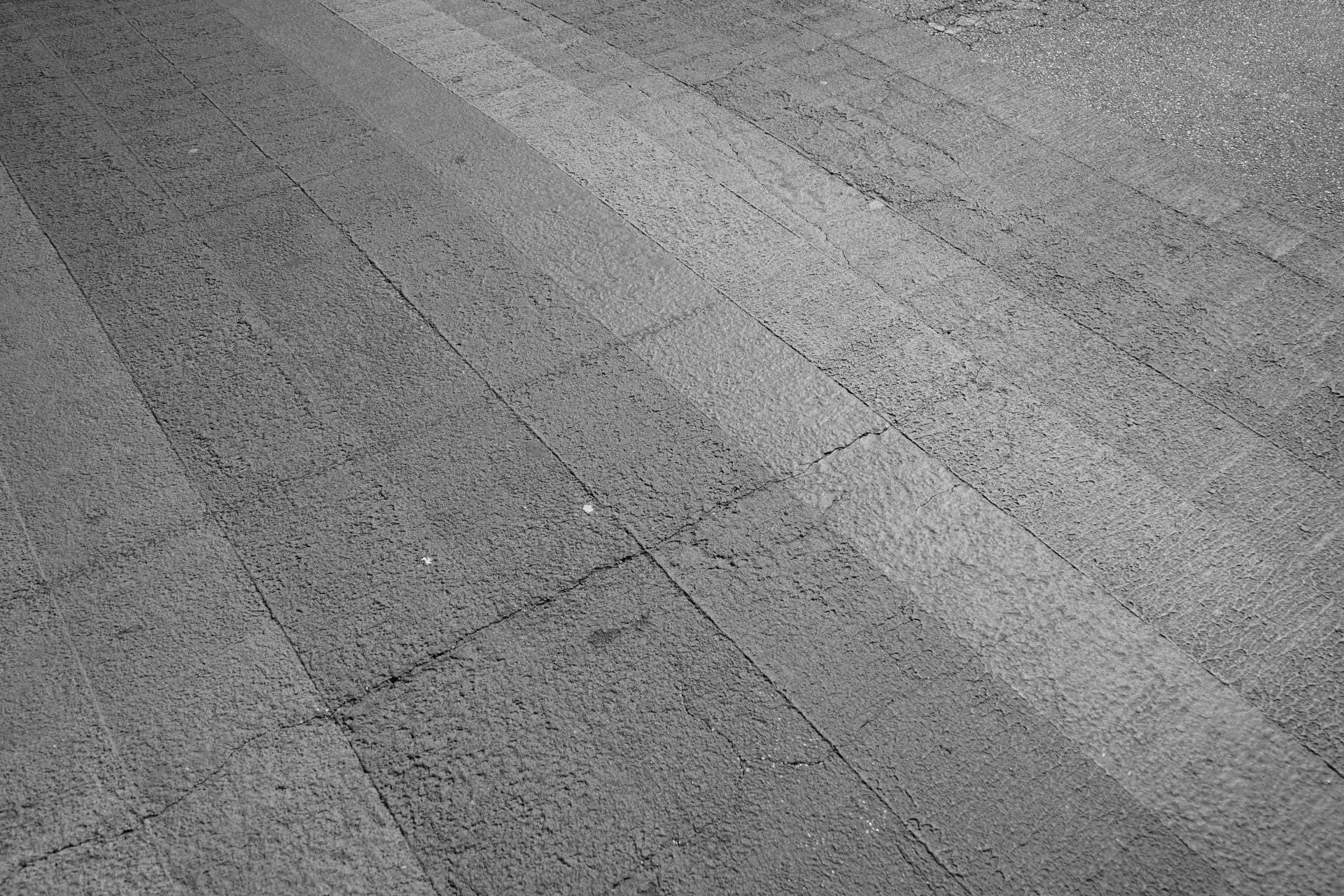
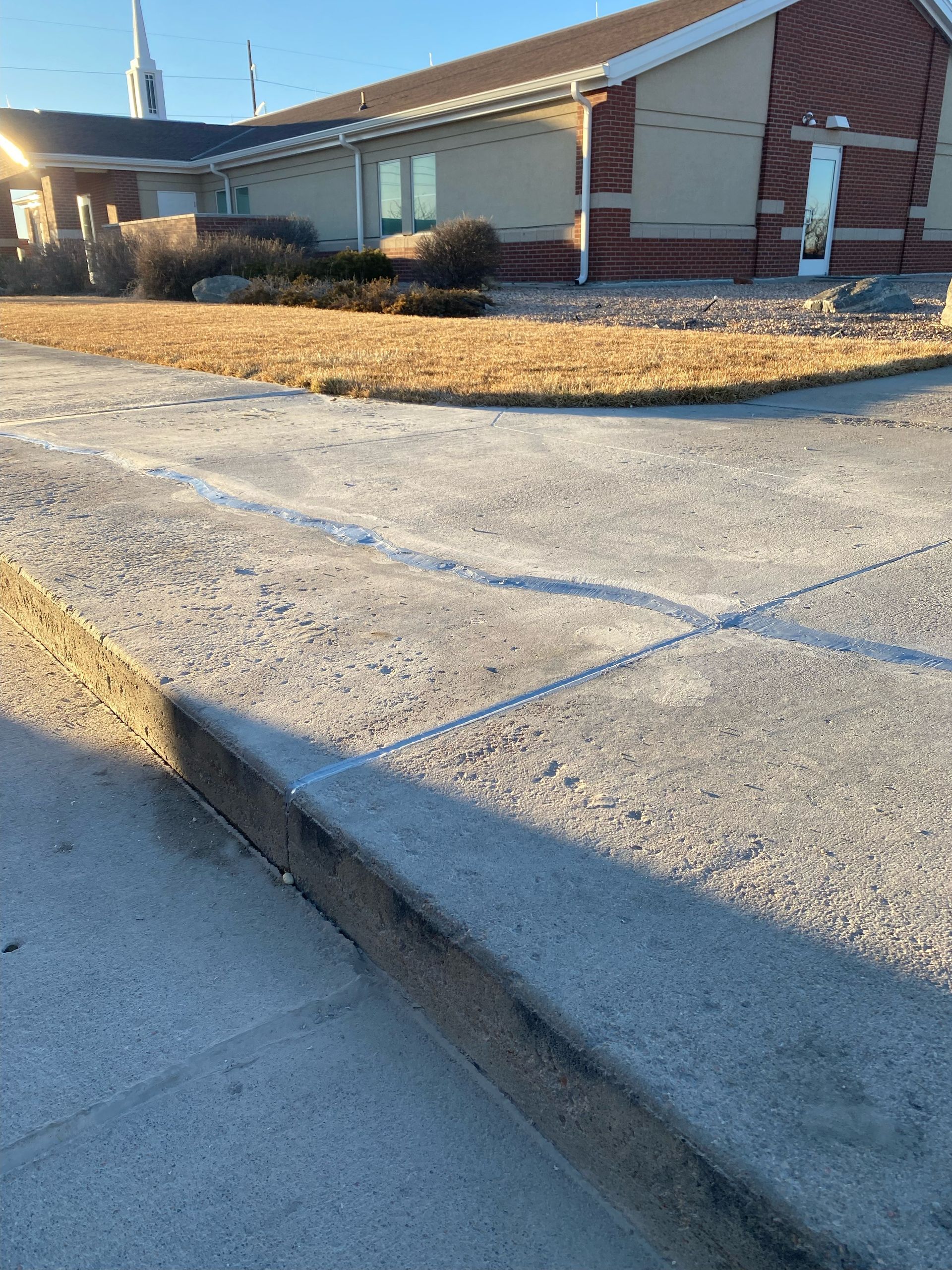
Commercial sidewalks take more abuse than any other concrete on a property and are more visible to the people who matter most to your business. Colorado's freeze-thaw cycles work open the joints between panels every winter, drainage shifts with the seasons, and panels that were level when they were poured gradually pull apart and drop.
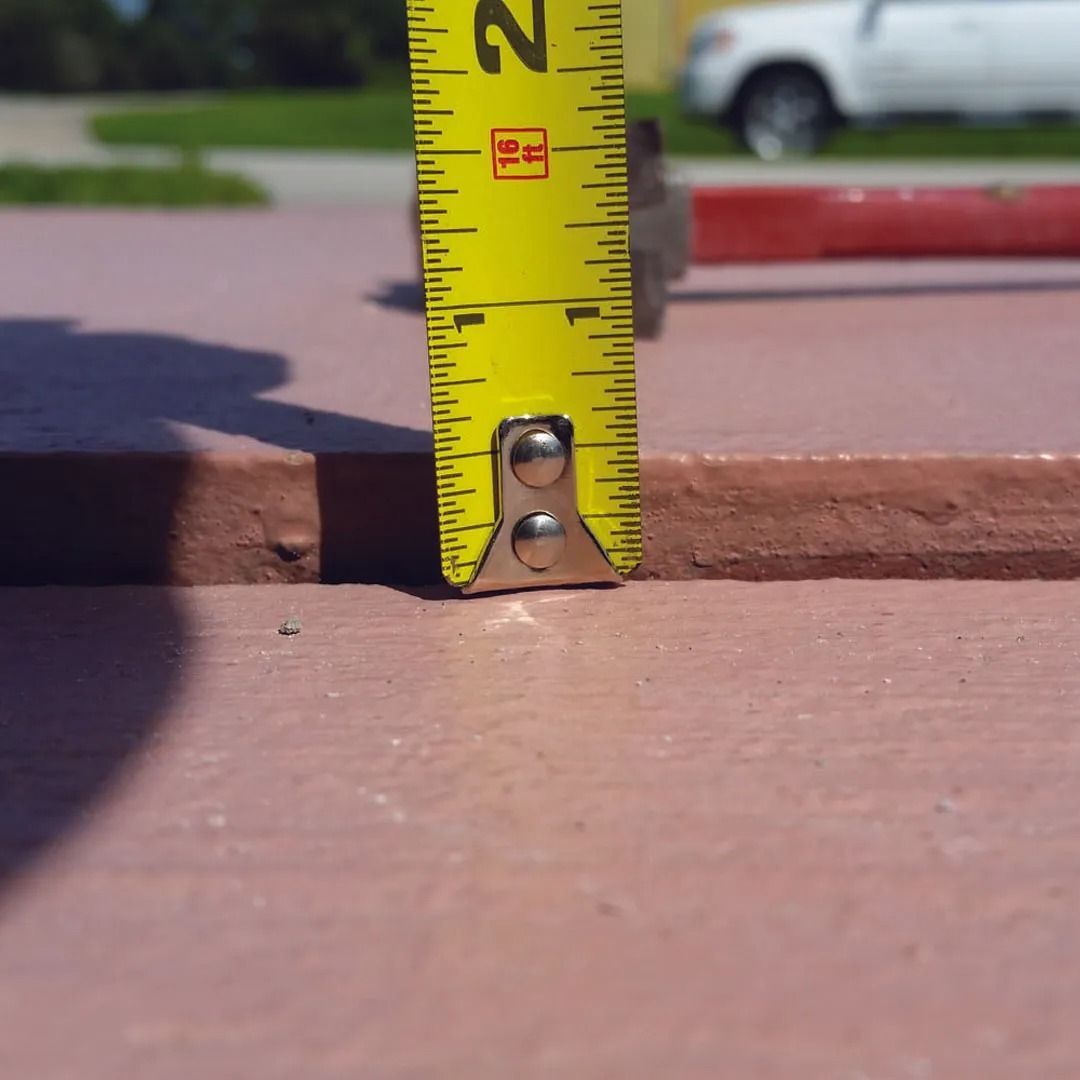
Settled sidewalk panels create trip hazards that expose commercial property owners to slip-and-fall liability. On tenant-facing properties, that liability sits with the owner regardless of who caused the settlement. It doesn't matter if the panel dropped six months ago or six years ago. What matters is whether it was addressed.
Polyurethane foam injection lifts settled sidewalk panels back to grade without grinding, without panel replacement, and without closing off pedestrian access while the work is being done. We drill small injection points, fill the voids beneath the panel, bring it back flush with the surrounding surface, and patch every hole with matching concrete material. The result is a continuous surface with no trip edge and no evidence of the repair.
We assess the full extent of the movement before we quote anything. That includes panels that haven't dropped yet but are showing early signs of movement. Catching a panel before it becomes a hazard costs less than addressing it after someone has gone down.
Carter walks every sidewalk job before the estimate is written. If a panel has deteriorated to the point where lifting isn't the right call, you'll hear that during the assessment. We're not here to lift concrete that won't hold up. We're here to fix what can be fixed and tell you straight when something can't.
Industrial Floor Stabilization
Heavy stationary equipment, silo pads, and processing floors sit in one place and push down on the same spot every day. When the soil beneath a sunken concrete slab has been compromised by that concentrated load, the structural integrity of the base layer is the real issue. Surface-level patching doesn't address it. Replacement gets the slab out but leaves the soil problem in place.
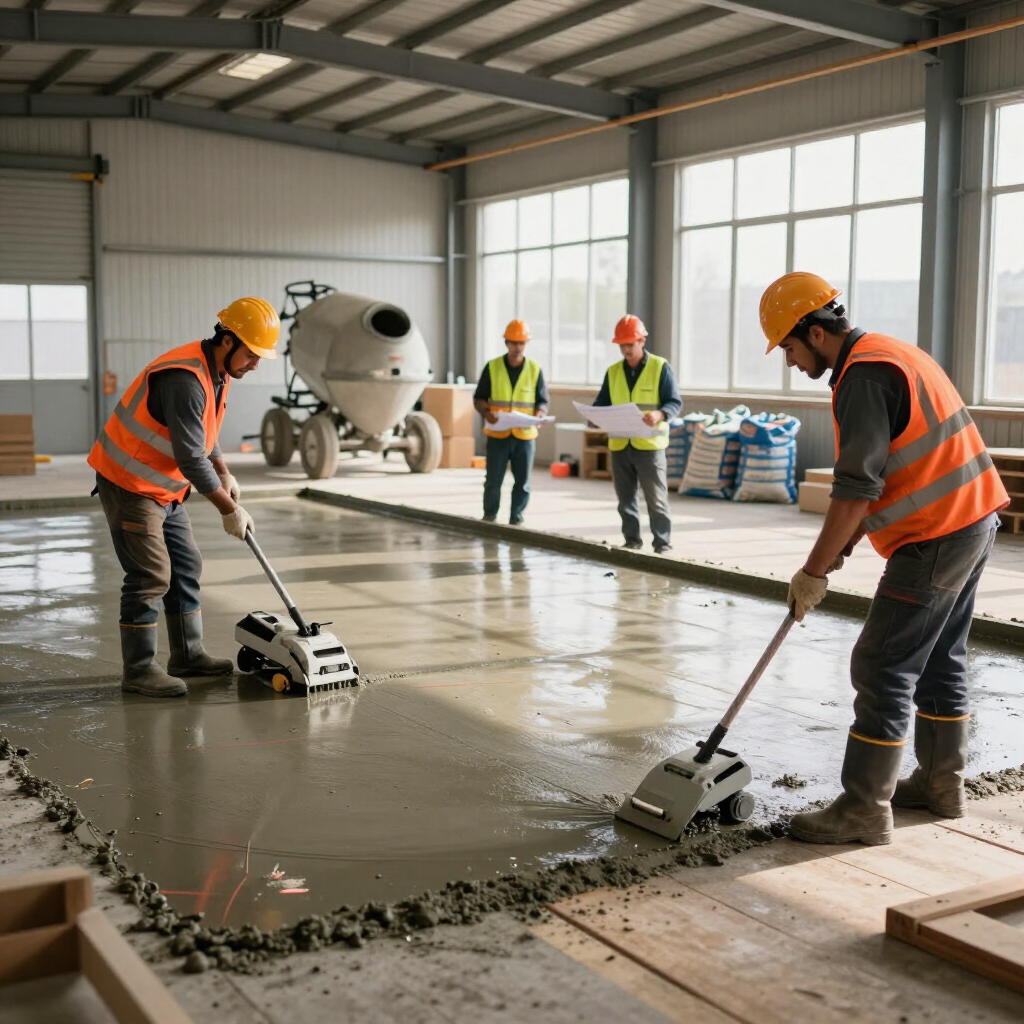
Polyurethane foam stabilization addresses industrial floor problems at the source. We drive foam deeper than the void and into the soil layer below it, binding loose or compromised material into a more cohesive base. The slab is lifted, the ground beneath it is reinforced, and the area is ready for load-bearing use again, all in the same visit and without excavation, equipment removal, or the extended downtime a replacement would require.
Industrial applications demand precision. Too much foam in the wrong location moves slabs that shouldn't move. Too little doesn't solve the problem. Carter stays involved in every industrial stabilization job, and our Colorado-based team handles on-site execution with that same standard of control. We've worked around conveyors, fixed equipment, and active production floors. The process doesn't require clearing your facility.
If your floor has been monitored for settlement and you've been told replacement is the only path forward, it's worth a conversation before that decision is made. We've lifted and stabilized industrial floors that contractors had already quoted for full replacement. The assessment is free, the price is straightforward, and there's no pressure to move forward until you're confident it's the right call.
How It Works
The Process: From First Call to Back in Service
The speed of this process surprises most commercial property owners the first time they see it. Here's how a typical job runs from initial contact to a surface that's back in use.
You Reach Out, and We Find a Time to Examine Your Existing Concrete
Call us at (970) 616-0730 or fill out our form. We'll find a window that fits around your operation, whether that means early morning, between tenant shifts, or at whatever point your property is most accessible for the work.
We Walk the Property and Give You a Straight Price
Carter is involved in every job and talks directly with customers. We walk the affected areas, identify where the settling has occurred and where voids have formed, and give you a clear price before anything starts. If a section doesn't need leveling, you'll hear that. Our team handles on-site quality control throughout the project.
Small Holes, Expanding Foam, Lifted Concrete
Each injection point is 5/8" across. We inject polyurethane foam beneath the sunken concrete, and the expanding foam beneath the slab fills the voids and lifts it back into position. Slab lifting through this method is controlled and visible as it happens. There's no heavy equipment on your property and no damage to the surrounding concrete. Properties that previously relied on traditional concrete repair methods, such as mudjacking, will notice a meaningful difference in hole size and curing time.
Patched, Cleaned Up, and Ready to Go
Every injection point is patched with matching concrete material. The foam cures in about 15 minutes. Your surface is ready for vehicles, foot traffic, or equipment the same day in most cases. New concrete typically needs several days before it can take load-bearing traffic again, which means leveling gets your operation back on track faster at every step.
What Working With a Commercial Concrete Leveling Company Should Actually Look Like
Commercial property owners deal with enough contractors who overpromise and underdeliver. Here's what the experience with Rapid Raise & Sprays actually looks like.
Rapid Raise & Sprays is owner operated. Carter Williams runs the business, stays involved in every project, and talks with customers directly from start to finish. Our team handles on-site quality control, so there's always someone accountable for how the job is executed. You won't be handed off to a crew you've never spoken with.
We've completed hundreds of projects across Colorado since 2020 in commercial settings, including parking lots, warehouse floors, loading areas, and industrial pads. That experience shapes how we assess, price, and execute every job. Beyond commercial work, we handle driveway leveling and a full range of residential surfaces throughout Northern Colorado, so our crews understand how soil movement affects existing concrete at every scale and in every context.
Our quotes reflect what your property actually needs. If an assessment finds concrete that won't hold up long-term, or surfaces where replacement is genuinely the right call, you'll hear that during the estimate. We carry general liability insurance, are bonded, and are active members of the Spray Polyurethane Foam Alliance, the American Chemistry Council, and Spray Foam World Wide.
Where Our Concrete Knowledge Comes From
The educational content on this site is informed by Albert Stright, who brings 35 years of experience in commercial construction and 20 years focused on concrete repair methods. That depth of field experience shapes the accuracy of what we publish across our concrete joints and cracks content and beyond. For deeper reading on soil behavior, repair methods, and the factors driving concrete movement in Colorado, visit our blog.
Uneven concrete at your commercial property isn't something you can put off. It's a safety risk for your tenants, customers, and employees, and it's a liability that sits on you as the property owner.
With commercial concrete leveling, we get your slabs back where they should be, and we do it around your schedule so your business keeps running. We use the same polyurethane foam injection method we use on residential properties, scaled to handle larger areas and heavier loads.
Whether you manage an apartment complex, a strip mall, a hotel, or an agricultural operation with grain silos and pivot pads, we've handled projects like yours before.
Commercial Concrete Leveling
Concrete Leveling
Button
Concrete Leveling
ButtonOur Service Areas
Colorado Commercial Properties We Serve
Rapid Raise & Sprays works with commercial property owners, property managers, and industrial operations throughout Colorado.
If your property is outside that list, reach out, and we'll let you know quickly whether we cover your area.
Commercial Concrete Leveling Questions We Get Asked
We schedule around your operation. Whether that means early-morning access, phased work across sections of your property, or working between tenants' business hours, we find an approach that fits your schedule rather than the other way around.
Leveling fills the voids beneath your slab and restores support to the concrete above. For most properties, that holds. Where there are chronic drainage issues or ongoing soil erosion that haven't been addressed at the source, some movement may recur over time. We'll give you an honest read on that during the assessment, including whether deeper soil stabilization is the better fit for your situation.
The main factors are the condition of the slab itself and the extent of the settlement. If the concrete is structurally sound but has dropped due to soil movement beneath it, leveling is usually the right call. If the slab is badly cracked, crumbling, or has heaved rather than sunk, replacement may be necessary. We assess both during the estimate and give you a clear answer on which direction makes the most sense for your property.
Trusted Across Northern Colorado
Roughly 1,500 Projects Completed
Serving Northern Colorado Since 2020
Fully Insured & Bonded
Owner-Operated, Not a Franchise
Member of
Spray Polyurethane Foam Alliance
Member of the
American Chemistry Council
Member of
Spray Foam World Wide
Uneven concrete at your commercial property isn't something you can put off. It's a safety risk for your tenants, customers, and employees, and it's a liability that sits on you as the property owner.
With commercial concrete leveling, we get your slabs back where they should be, and we do it around your schedule so your business keeps running. We use the same polyurethane foam injection method we use on residential properties, scaled to handle larger areas and heavier loads.
Whether you manage an apartment complex, a strip mall, a hotel, or an agricultural operation with grain silos and pivot pads, we've handled projects like yours before.
Commercial Concrete Leveling
Concrete Leveling
Button
Concrete Leveling
ButtonYour Concrete Has Been Sitting Long Enough
If your commercial concrete has settled and you're ready to stop working around it, call us or fill out our form for a free estimate. You'll get an honest assessment, a clear price, and no pressure to move forward.